
Power Connector Buyer Guide
What Is the Biggest XT Connector? A Buyer Review Guide
When a buyer asks, “What is the biggest XT connector?”, the useful engineering answer is not a size label by itself. The purchasing decision has to start with the application envelope: operating current and voltage, temperature, wire size, available space, mating requirements, material requirements, and the evidence a supplier can provide.
Short answer: do not treat “biggest XT connector” as a universal purchasing specification. Define the largest housing that fits the design and the electrical requirement it must satisfy, then verify the candidate against a controlled drawing, datasheet, sample, and required test evidence.
Turn “Biggest” Into an Engineering Requirement
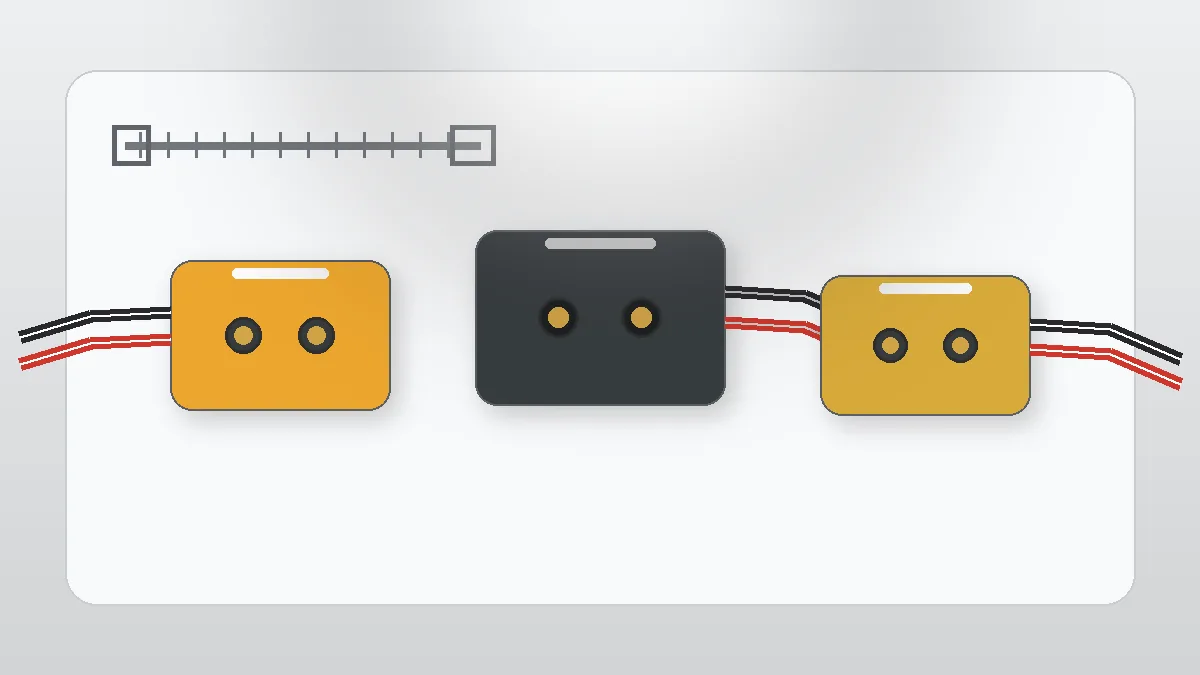
The word biggest can mean at least three different things in a sourcing discussion: the largest housing, the highest required electrical capacity, or the largest interface that still fits the product. Those are not interchangeable. A housing that looks larger can still be the wrong choice if the terminal system, wire termination, thermal conditions, or mechanical envelope do not match the project.
Clarify what the buyer is actually trying to maximize
- Mechanical envelope: confirm the maximum housing outline, keying, cable exit, panel clearance, and nearby component clearance.
- Electrical requirement: record the application current, voltage, duty condition, and temperature range before comparing connector candidates.
- Wire interface: confirm the required conductor size, termination method, strain relief, and cable routing.
- Service condition: define mating frequency, vibration, humidity, contamination, and any environmental exposure that changes the review.
- Evidence threshold: decide which drawing, datasheet, sample, inspection record, or test report must be available before approval.
This is also the point to check whether an XT-style interface is actually the right family. LinkManu’s Power Connectors for DC and High-Current Interface Projects page shows the broader product-family context. Depending on the assembly, a PCB, board-to-board, wire-to-board, battery, or harness interface may deserve comparison before the BOM is locked.
Why a Size Name Alone Is a Weak Purchasing Specification
A size name is convenient for an initial search, but it does not give procurement a complete acceptance criterion. Two parts that appear similar may still differ in terminal geometry, contact system, housing material, plating requirement, retention behavior, or documentation. The practical risk is not the label itself; it is approving a part before the requirement is traceable.
What can go wrong during sample approval
- A sample fits the available space, but the wire termination does not match the production harness.
- The housing mates physically, but the project has no controlled evidence for the required electrical or thermal condition.
- A visually similar alternative is quoted without confirming keying, polarity, retention, or material requirements.
- QC receives only a photo and part description, leaving no drawing dimensions or material callouts for incoming inspection.
These are review risks, not claims that a specific connector will fail. The corrective action is straightforward: move the approval basis from appearance to documented requirements before the supplier comparison begins.
A Practical XT-Style Connector Review Matrix
| Review area | What to confirm | Decision before RFQ |
|---|---|---|
| Application boundary | Current, voltage, temperature range, duty condition, and safety requirements from the customer specification | Do not rank candidates by housing size until the operating requirement is written down. |
| Mechanical envelope | Housing outline, keying, polarity, cable exit, available space, panel or assembly clearance | Define the largest acceptable package from the actual product geometry. |
| Wire and terminal interface | Conductor size, termination method, strain relief, terminal system, and retention needs | Reject look-alike substitutions that cannot be verified against the harness requirement. |
| Material requirements | Housing material, terminal material, plating, and any flame-rating requirement stated by the drawing or end application | Ask the supplier for the exact evidence needed by engineering and QC. |
| Validation evidence | Controlled drawing, datasheet, sample, inspection criteria, and project-specific test documentation | Release the part only when the evidence matches the stated requirement. |
Questions Engineering Should Close Before Supplier Selection
For this sourcing question, current, voltage, contact resistance, mating life, wire size, temperature, and similar values should be confirmed for the actual project. A generic family label is not enough to approve the part.
Electrical and thermal confirmation
- What current and voltage must the connector carry in the stated operating condition?
- What temperature range and duty cycle define the worst-case review point?
- Does the project require temperature-rise, insertion/extraction-force, hi-pot, impedance, salt-spray, or other environmental testing?
- Which test report, sample result, or customer specification will be used as the acceptance reference?
Mechanical and material confirmation
- What housing outline, keying, polarity, panel clearance, and cable routing must be preserved?
- Which conductor size and termination process will be used in production?
- Which plastic, terminal, plating, or flame-rating requirements are actually called out by the drawing or end application?
- Does the project need a form-and-fit alternative, a compatible interface, or a redesigned connector rather than a visual copy?
If any of these answers are missing, the RFQ should identify them as open items. That is more useful than forcing a premature “largest connector” answer into the BOM.
Build an RFQ Package a Supplier Can Review
A supplier comparison becomes more reliable when every candidate is quoted against the same source package. Keep the package small but controlled.
| RFQ input | What to include | Why it matters |
|---|---|---|
| 2D or 3D data | Housing outline, mating interface, keying, tolerances, and available envelope | Separates a real fit requirement from a size-label comparison. |
| BOM and application context | Known part number if available, cable or PCB interface, end-use description, and adjacent components | Helps the supplier review the correct connector format and assembly scope. |
| Electrical requirement | Customer-stated current, voltage, temperature, duty condition, and required test evidence | Keeps the selection tied to the customer requirement rather than an assumed rating. |
| Reference sample | Photos, measured dimensions, partial sample, prior drawing, or available test documentation | Provides a traceable starting point when the original specification is incomplete. |
Supplier questions worth asking explicitly
- Can the supplier review the drawing, sample, fit requirement, and documentation needs before final selection?
- Which parts of the scope require tooling, stamping, injection molding, assembly, or other project-dependent manufacturing steps?
- Which inspections or tests are required for this RFQ, and which evidence can be supplied or arranged where applicable?
- Is the quotation based on a controlled drawing and requirement set, or only on a size description and photograph?
Depending on the RFQ, supplier review may cover tooling, stamping, injection molding, and assembly. Which processes apply should be confirmed for the specific connector scope. Testing requirements and documentation should likewise be agreed before samples are approved.
FAQ: XT-Style Connector Sizing
What is the biggest XT connector?
Do not use a single “biggest” label as the purchasing specification. Define the maximum housing that fits, then verify the required electrical, thermal, wire, material, and mating conditions against controlled supplier evidence.
What are the different sizes of XT connectors?
Market references use multiple XT-style housing labels. For procurement, compare the supplier drawings and datasheets for the specific candidates being sourced instead of relying on a generic size ranking.
Are there different sizes of XT60 connectors?
Do not assume every product sold under a similar label has the same housing, terminal, wire, or rating details. Confirm the exact supplier part number, drawing, dimensions, and required evidence for the candidate under review.
What should I send if I only have a connector photo?
Send clear photos, measured dimensions, pin arrangement, cable information, end application, and any known part number, drawing, BOM, sample, or prior test record. Mark unknown requirements as open RFQ items.
Next Step: Replace the Size Question With a Sourceable Specification
The useful next step is not to search for a larger label. Confirm the drawing, housing envelope, wire interface, operating current and voltage, temperature condition, material requirements, test documentation, and supplier scope. Once those items are controlled, engineering and procurement can compare candidates on the same basis.
If you want LinkManu to review the connector package, send the drawing, BOM, sample information, and open technical questions through Contact LinkManu. The review should start from the project evidence, not from an assumed XT-style rating.
Send Your Connector Requirement
Share the drawing, BOM, sample information, application conditions, and documentation requirements that need supplier review.

Technical content reviewed by LinkManu Engineering Team
Prepared by LinkManu Editorial Team for B2B connector engineers, sourcing teams, and product development projects.