
Power Connectors for DC and High-Current Interface Projects
LinkManu supports engineering review for power connector projects involving DC power connector requirements, current-carrying PCB interfaces, power + signal integration, blade type contact structures, wire-to-board power connector options, and server power interface requirements. For high current electrical connectors and high current DC power connectors, final suitability is reviewed against the customer drawing, contact layout, and project-specific validation.
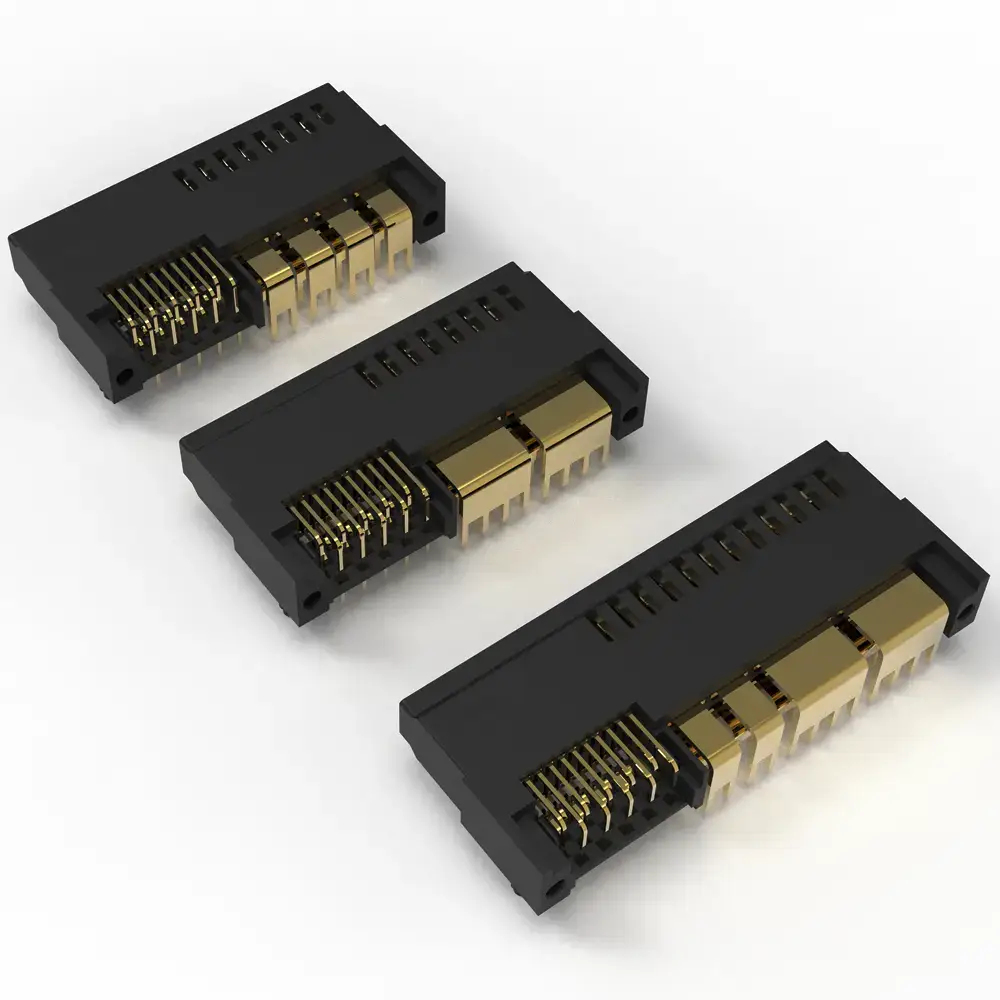
Power connector examples for board-level and system-level power interface review.
Current-Carrying Connector Options for Power Interface Design
This page is focused on power delivery and power interface selection. It is not a generic board-to-board connector page, not a high-speed connector page, and not a card edge connector page. LinkManu reviews power connector requirements around current-carrying contacts, interface layout, mating direction, and application constraints.
Page Focus
Power Interface
For DC power input, PCB power distribution, and current-carrying connector review.
Source Examples
4.8A to 100A
Current values appear as examples in source materials and require project-specific confirmation.
Interface Types
Power + Signal
Power + signal connector and edge-card style projects may be reviewed.
Fit-Style Review
Selected Options
Selected Nano-Fit, Micro-Fit, Mini-Fit, Mega-Fit, and DF22-Fit style connector options may be reviewed.
Power Connector Categories Covered by This Page
LinkManu can review different power connector directions based on the drawing, board layout, target current, contact arrangement, and mechanical envelope provided by the customer.
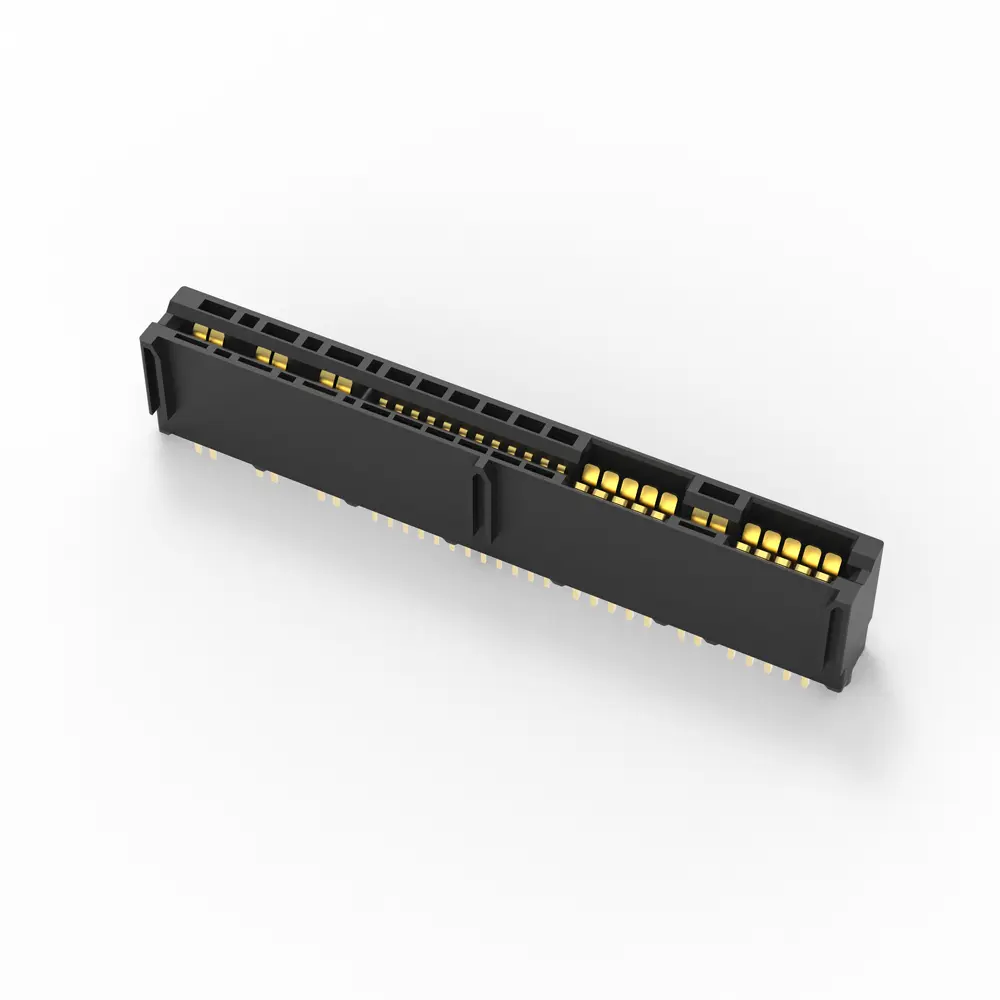
Power + Signal Connector Projects
Power + signal connector projects may be reviewed when one interface needs to carry both power contacts and signal contacts in a compact board-level layout.
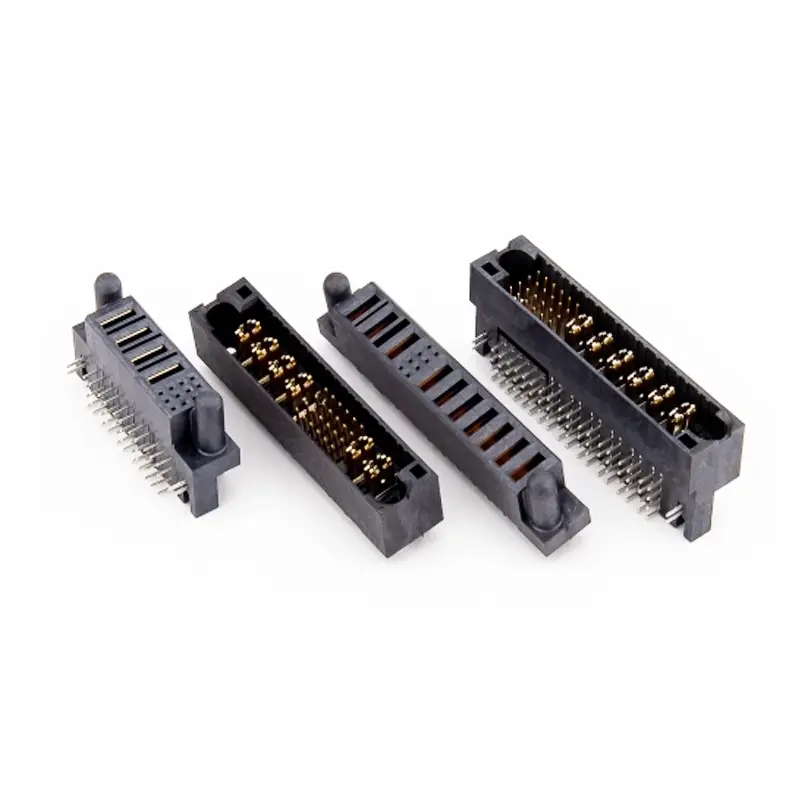
Blade Type and High-Current Contact Review
Blade type and larger-contact power connector examples in the source materials can support engineering discussion for higher-current PCB power interface designs.
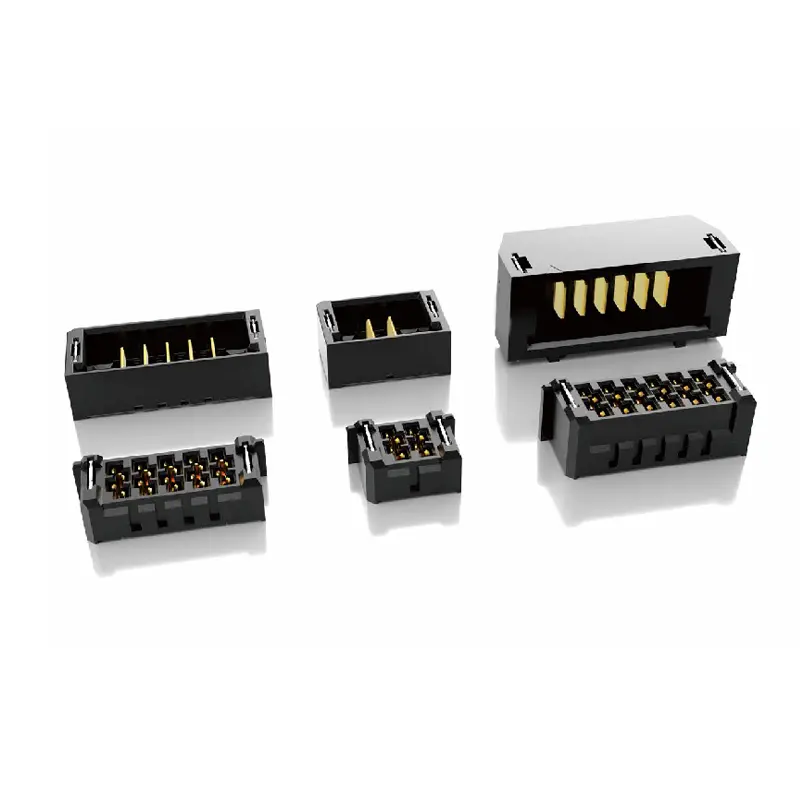
Wire-to-Board Power Connector Options
WTB power connector and wire to board power connector projects may be reviewed for PCB power input and internal power delivery, including selected fit-style connector options where the application requires them.
Engineering Specification Review
The table below keeps the page conservative. It describes what can be reviewed during an RFQ process without turning source-material examples into full-series guarantees.
| Review Area | What LinkManu Can Review | How to Confirm |
|---|---|---|
| Current-carrying interface | Source-material examples include current values such as 4.8A, 8A, 10.5A, 14A, 20.5A, 30A, 40A, 60A, 75A, 90A, and 100A. | Send the target current, board layout, contact count, and mechanical constraints for engineering review. |
| Power + signal integration | Power + signal connector and power + signal edge-card style projects may be reviewed. | Provide pin assignment, power contact requirements, signal contact requirements, and connector orientation. |
| Blade type power connector | Blade type power connector examples are included in source materials and can be used for project discussion. | Provide mating direction, board space, current target, and assembly constraints. |
| WTB power connector | Wire-to-board power connector projects may be reviewed for PCB power input and internal power wiring. | Provide wire size target, position count, mounting direction, and application environment. |
| Fit-style connector options | Selected Nano-Fit, Micro-Fit, Mini-Fit, Mega-Fit, and DF22-Fit style connector options may be reviewed. | Share the existing connector footprint, mating requirement, or drawing for fit-style review. |
| Server and CRPS-related projects | CRPS and server power interface projects may be reviewed when source-material connector examples match the application direction. | Send the board interface, mechanical envelope, and power interface target for feasibility review. |
Final suitability depends on the customer drawing, target current, board layout, mating requirement, and project-specific validation.
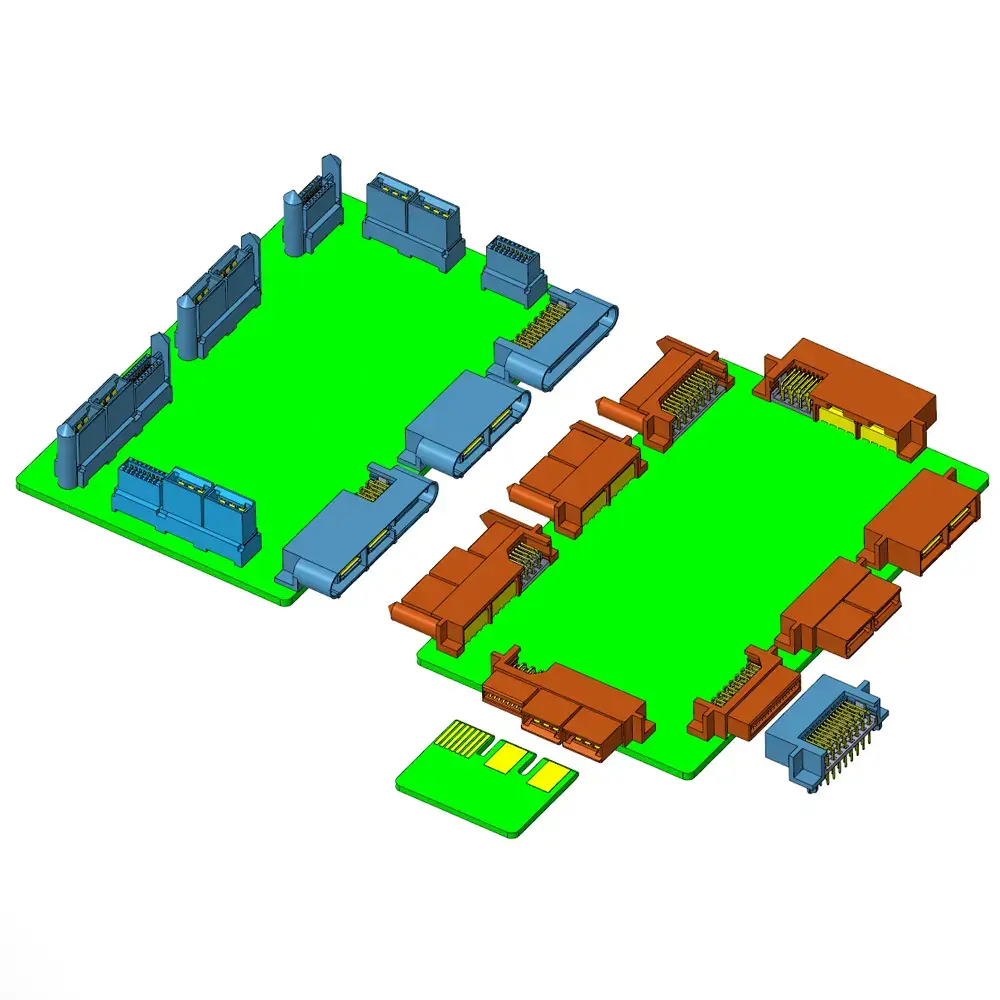
Built for Engineering Review, Not Generic Catalog Claims
Power connectors are highly application-dependent. LinkManu reviews each project around current target, mating direction, available PCB area, contact arrangement, wire-to-board or board-level interface style, and production feasibility.
- Review of current-carrying contact layout and connector structure.
- Review of power + signal contact arrangement for compact interfaces.
- Review of WTB power connector and PCB power interface requirements.
- Review of selected fit-style connector options for existing design references.
Application Scenarios
The Power Connectors page is intended for power interface projects where the connector is selected mainly for current-carrying requirements, compact layout, and power delivery stability.
Server Power Interfaces
Server power and CRPS-related connector projects may be reviewed when the application requires compact, current-carrying board interfaces.
Industrial Power Connector Projects
Industrial power connector projects may require board-level power connectors, blade type contacts, or mixed power + signal connector layouts.
PCB Power Input and Distribution
LinkManu can review connector options for PCB power input, internal power routing, and wire-to-board power connection needs.
Related LinkManu Product Pages
Use these related pages when your project is mainly about signal stacking, high-speed transmission, floating tolerance, card edge slots, wire-to-board signal connection, cable assemblies, or cross-reference review.
Power Connector FAQ
These answers keep the language conservative and suitable for a B2B product category landing page.
Does LinkManu provide DC power connector support?
LinkManu can review DC power connector projects based on the drawing, target current, board layout, contact arrangement, and mechanical requirements provided by the customer.
What current values are shown in the source materials?
Source-material examples include current values such as 4.8A, 8A, 10.5A, 14A, 20.5A, 30A, 40A, 60A, 75A, 90A, and 100A. These examples should not be treated as a full-series guarantee.
Can LinkManu review high current DC power connectors?
Yes. LinkManu can review high current DC power connectors and high current electrical connectors based on the customer drawing, target current, contact layout, mating direction, and project-specific validation.
Can power and signal contacts be reviewed in one connector project?
Yes. Power + signal connector projects and power + signal edge-card style projects may be reviewed when the application requires mixed contacts in one interface.
Can LinkManu review blade type power connector projects?
Yes. Blade type power connector examples are included in the source materials, and similar power contact structures may be reviewed for suitable projects.
Can selected fit-style connector options be reviewed?
Selected Nano-Fit, Micro-Fit, Mini-Fit, Mega-Fit, and DF22-Fit style connector options may be reviewed. Final suitability depends on the drawing, mating requirement, and project constraints.
Does this page claim a perfect replacement for Molex, HRS, TE, or Samtec products?
No. Selected pin-compatible alternatives may be reviewed when the customer provides an existing part number, drawing, footprint, or mating requirement.
What should I send for an RFQ?
Please send the connector drawing, target current, pin or contact count, board layout, mating direction, mechanical space, and any existing reference part or footprint that should be reviewed.
Need a Power Connector Review?
Send your drawing, target current, contact arrangement, and application requirements. LinkManu will review the project direction and help identify suitable power connector options for further evaluation.