
Automotive Connector Guide
Types of Car Electrical Connectors for Vehicle Projects
Choosing the right types of car electrical connectors is not only a catalog task. For automotive electronics, the connector has to match the vehicle zone, harness routing, sealing requirement, assembly process, and service method. A connector that looks acceptable on a drawing can still create risk if the lock is hard to access, the seal is not suited to the environment, or the terminal system is difficult to inspect during harness production.
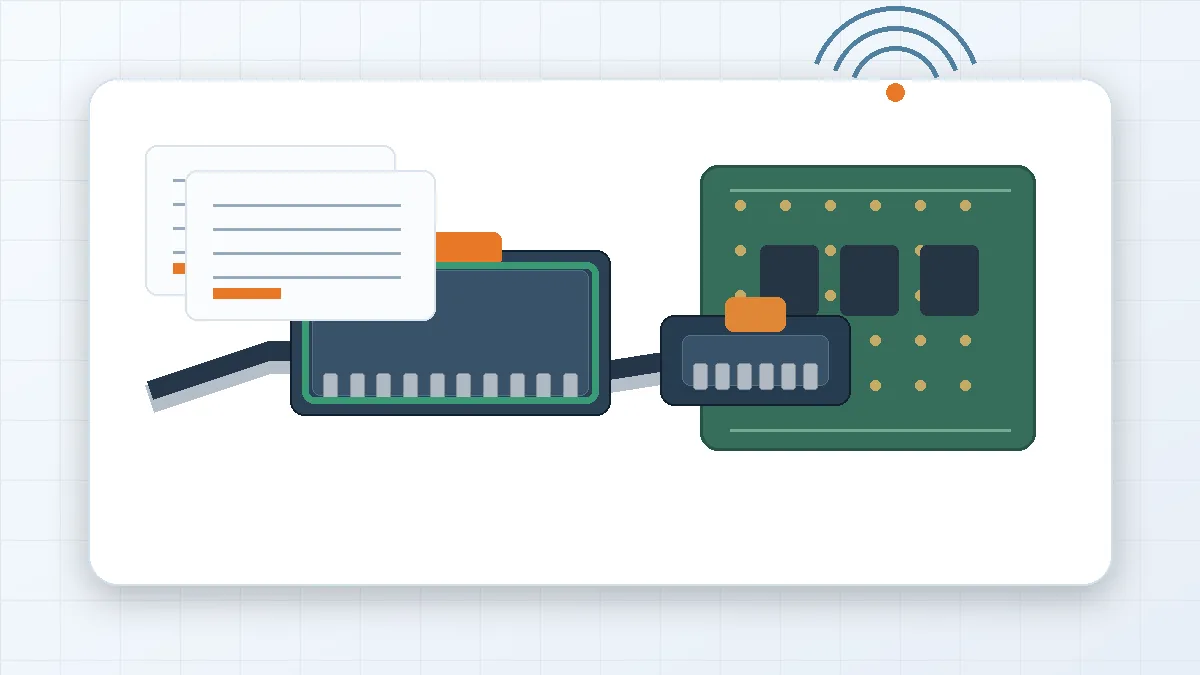
This guide reviews the main connector categories used in vehicle electrical systems, explains what a wiring harness on a car does, and outlines practical checks for engineers, sourcing teams, and service teams. The goal is to help you create a cleaner RFQ and avoid vague requirements such as “automotive grade” without evidence, drawings, or environmental details.
Engineering note: Specific ratings for voltage, current, temperature, sealing, materials, and mating life should be confirmed from the target connector drawing, test report, and supplier documentation. This article uses selection logic rather than unsupported numeric claims.
How Types of Car Electrical Connectors Are Classified
The most useful way to compare types of car electrical connectors is to classify them by sealing level, vehicle zone, circuit function, pin count, and service method. These categories help the engineering team decide what evidence to request before approving a connector for a vehicle program.
Sealed and Unsealed Connector Designs
Sealed connectors are typically used where moisture, dust, road splash, or fluid exposure may reach the interface. They may use wire seals, housing seals, backshells, or secondary sealing features to protect the terminal area. Unsealed connectors are more common inside protected cabin or module spaces, where lower weight, easier assembly, and compact packaging can matter more than environmental sealing.
| Connector Group | Where It Is Commonly Reviewed | Key Engineering Questions | Documents to Request |
|---|---|---|---|
| Sealed connectors | Engine compartment, chassis, door area, exterior lighting, exposed sensor routes | How is ingress controlled? Is the latch protected from vibration? Can the seal be inspected after assembly? | Drawing, sealing test summary, housing material statement, terminal retention data |
| Unsealed connectors | Instrument panel, infotainment area, cabin modules, protected PCB interfaces | Is the housing compact enough? Is terminal retention clear? Can operators mate it without misalignment? | Drawing, terminal specification, assembly instruction, packaging requirement |
| Shielded connectors | Camera, sensor, communication, and noise-sensitive signal paths | How is shielding continuity maintained across the connector interface and cable termination? | Shielding structure drawing, cable termination guide, validation plan |
| Power and signal mixed connectors | Modules that combine control signals, low-voltage power, and mechanical constraints | Are power and signal circuits separated clearly enough for layout, assembly, and inspection? | Pin assignment, current confirmation from the approved specification, harness layout |
Connector Selection by Vehicle Zone
Vehicle zones expose connectors to different combinations of vibration, heat, moisture, chemicals, dust, and service access limits. Instead of selecting a connector by appearance, engineers should describe the installation position and operating environment in the RFQ.
| Vehicle Zone | Typical Stress Factors | Connector Review Focus | Procurement Notes |
|---|---|---|---|
| Engine compartment | Heat, vibration, fluids, tight service access | Locking structure, material suitability, terminal retention, seal protection | Ask for application history, test evidence, and mating instructions. |
| Chassis and exterior routes | Water, dust, road debris, harness movement | Backshell, strain relief, sealing path, latch protection | Confirm harness routing and connector orientation before sampling. |
| Passenger cabin | Assembly efficiency, compact packaging, lower exposure | Ergonomics, terminal insertion, secondary lock, mistake-proofing | Review operator access and line-side assembly method. |
| PCB and electronics modules | Board space, vibration transfer, signal quality, mating tolerance | Pin layout, board retention, polarization, connector height | Share PCB layout constraints and sample board requirements early. |
| Electrified vehicle interfaces | Higher safety review burden, shielding, thermal behavior, service isolation | Touch protection, interlock logic if required, cable termination, documentation | Do not approve without project-specific electrical and safety review. |
Single-Pin, Multi-Pin, Board, and Harness Connector Choices
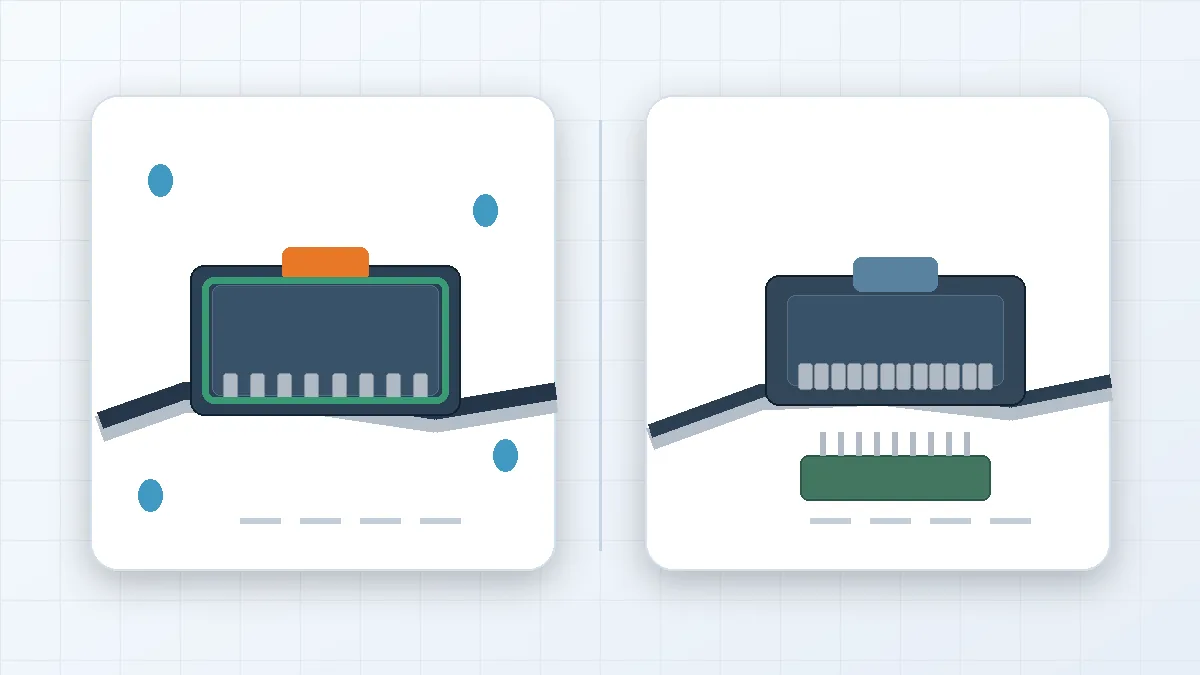
Pin count and connector architecture affect package size, circuit grouping, heat behavior, and serviceability. A low-pin connector can be easier to inspect and replace, while a multi-pin connector can simplify harness routing by grouping many circuits into a single interface. Neither option is automatically better. The correct choice depends on circuit function, installation space, assembly method, and inspection access.
Common Connector Architectures
- Single-pin and low-pin connectors: useful for simpler circuits, service access, and clear visual inspection.
- Multi-pin connectors: useful where a module needs several power, ground, control, or signal paths in one compact housing.
- Board-to-board connectors: used inside electronics modules where PCB stacking, alignment, and vibration transfer must be reviewed.
- Wire-to-board connectors: used where a harness terminates directly to a PCB module and the board layout controls the connector envelope.
- Cable assembly connectors: used when the connector, wire, terminal, shielding, sleeve, and strain relief must be evaluated as one assembly.
For projects connected to automotive electronics modules, it is helpful to review connector choices alongside the broader Automotive Electronics Connector Solutions context. This keeps the selection tied to the vehicle application rather than a disconnected part number.
What Is a Wiring Harness on a Car?
A wiring harness is the organized electrical routing system that connects sensors, actuators, modules, switches, lighting, and power distribution points. It bundles conductors, terminals, protective coverings, clips, labels, and connectors into an assembly that can be installed, tested, and serviced more reliably than loose wires.
The question “what is a wire harness in a car” matters because connector selection cannot be separated from harness design. Wire gauge, branch direction, bend radius, shielding, strain relief, service access, and assembly sequence all influence which connector type is practical. A connector that performs well on a bench may still be unsuitable if the harness route pulls on the terminals or leaves no room to release the latch.
Harness and Connector Fit Checklist
- Confirm where the connector sits in the vehicle and how the harness moves during operation.
- Check whether the latch, secondary lock, and terminal position can be inspected after assembly.
- Review strain relief so wire movement does not transfer directly to the terminal interface.
- Confirm whether shielded, twisted, or separated routes are required for noise-sensitive circuits.
- Ask whether the connector must be serviceable by hand, by tool, or only during module replacement.
How to Disconnect Automotive Electrical Connectors Safely
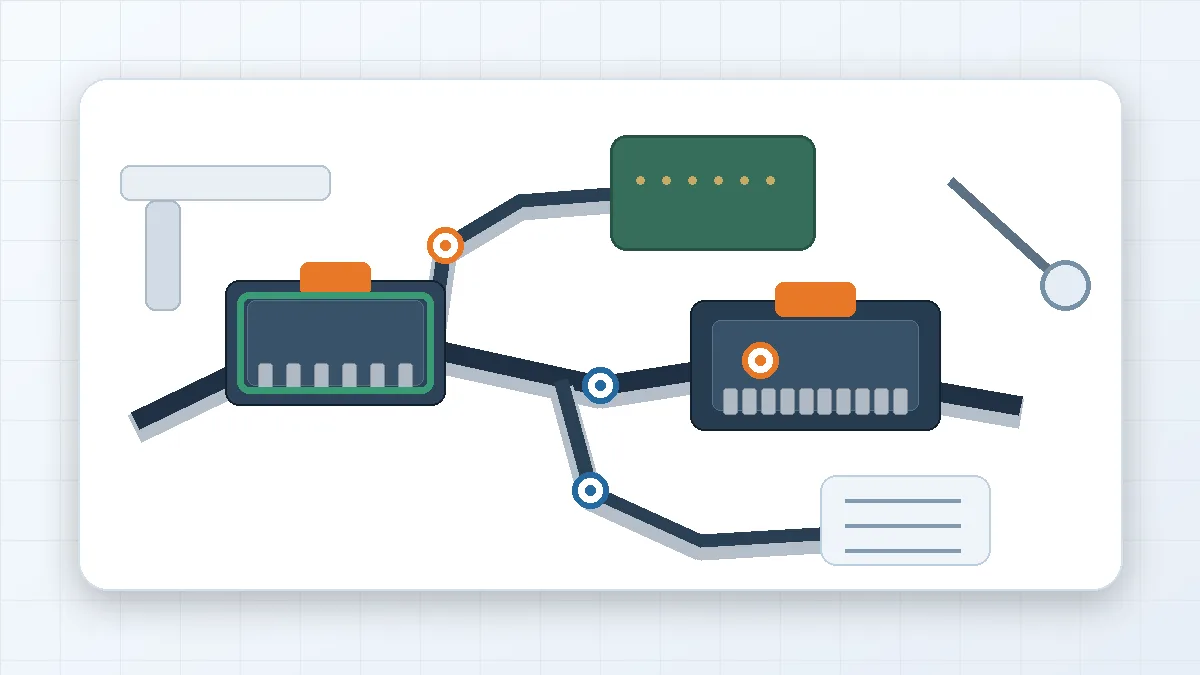
Searches such as “how to disconnect auto electrical connectors,” “how to disconnect automotive electrical connectors,” and “how to remove electrical connectors on cars” often come from service teams dealing with stuck latches or damaged harnesses. The most important principle is simple: release the lock before applying force, and pull on the connector body rather than the wires.
Common Locking Features to Identify First
- Primary latch: the main plastic lock that holds two connector halves together.
- Secondary lock: a feature that helps retain terminals or confirms full insertion.
- Connector position assurance: an added locking feature that may need to be moved before the main latch releases.
- Slide or lever lock: a mechanism that moves the connector halves together or apart with controlled force.
- Backshell or cover: a protective component that may hide the latch or support strain relief.
Service Procedure for Common Automotive Connectors
- Turn off the relevant system and follow the vehicle maker’s safety procedure before touching the connector.
- Clean loose debris around the connector so dirt does not enter the terminal area during removal.
- Inspect the housing to find the primary latch and any secondary lock or position assurance feature.
- Release the lock fully, then gently move the connector body while keeping the wire bundle relaxed.
- Separate the connector halves in line with the mating direction. Avoid twisting if the seal or latch resists.
- After removal, inspect terminals, seals, housing corners, and wire strain relief before reassembly.
Service caution: For high-energy systems, safety modules, or circuits with stored energy, follow the vehicle manufacturer’s approved procedure. This article is a connector selection guide, not a substitute for the service manual.
Supplier Qualification Questions for Automotive Connector Projects
A strong supplier review goes beyond a product photo. For automotive connector sourcing, ask how the supplier controls tooling, stamping, injection molding, assembly, inspection, and documentation. These process details affect dimensional consistency, terminal retention, mating feel, and the ability to respond when a prototype needs adjustment.
Manufacturing Capabilities to Confirm
- Tooling: confirm whether tooling design, maintenance, and revision control are handled with clear responsibility.
- Stamping: review how terminal forming consistency is monitored during production.
- Injection molding: ask how housing dimensions, latch features, and material traceability are controlled.
- Assembly: confirm the process for terminal insertion, secondary lock engagement, visual inspection, and packaging.
- Quality system: available company facts reference IATF 16949 and ISO 14001; buyers should request current certificate copies and scope details during qualification.
For process-control expectations, you can also review LinkManu’s Engineering & Quality page. If the project needs a non-standard form factor, terminal arrangement, harness interface, or documentation package, the Custom Connector Support page is a useful next step. For broader product browsing, use Browse Related Products. If timing is part of the sourcing risk, the resource on lead time for automotive connector assemblies can help structure early supplier questions.
Procurement Checklist Before Requesting Samples
Before requesting samples, prepare enough information for a meaningful technical review. A vague requirement usually leads to back-and-forth emails, while a clear package helps the supplier check fit, risk, and documentation faster.
| Information to Share | Why It Matters | What to Ask the Supplier |
|---|---|---|
| Application zone and environment | Defines sealing, material, locking, and strain relief needs. | Which connector family and validation evidence fit this zone? |
| Drawing, PCB layout, or harness sketch | Clarifies size limits, mating direction, cable exit, and assembly access. | Are any dimensions, latch clearances, or terminal choices at risk? |
| Electrical requirements from the approved project specification | Prevents guessing on current, voltage, signal, shielding, or safety needs. | Which product documentation supports these requirements? |
| Target assembly process | Connectors must fit the actual line process, tool access, and inspection method. | Can the assembly steps be documented for production and service teams? |
| Sample and validation plan | Early testing should match the real installation and failure modes. | What sample set, inspection report, and revision control can be provided? |
FAQ
What is the main difference between sealed and unsealed automotive connectors?
Sealed connectors are reviewed for exposure to moisture, dust, fluids, and exterior conditions. Unsealed connectors are normally considered for protected cabin or module areas where compact size, assembly speed, and cost control may be stronger priorities.
What is a wiring harness on a car?
It is a routed assembly of wires, terminals, protection materials, clips, and connectors that distributes power and signals between vehicle systems. The harness layout strongly influences which connector type is practical.
How do I disconnect auto electrical connectors without damaging them?
Identify the latch and any secondary lock first, release the lock fully, then pull on the connector housing rather than the wires. If the connector resists, stop and inspect the locking feature again.
Which types of car electrical connectors should engineers compare first?
Start with the application zone, sealing need, pin count, circuit function, harness route, service access, and supplier documentation. These factors narrow the selection more reliably than connector appearance alone.
Send Your Connector Requirement
Share your drawing, harness route, application zone, circuit requirements, and sample expectations. LinkManu can review connector fit, documentation readiness, and manufacturing feasibility before you move into sampling or supplier qualification.

Technical content reviewed by LinkManu Engineering Team
Prepared by LinkManu Editorial Team for B2B connector engineers, sourcing teams, and product development projects. Updated 2026.