
Industrial Display Connectivity Application
LED Display Connectivity and Display Connector Solutions
LinkManu helps engineering and sourcing teams review connector options for LED display cabinets, display control cards, stage display electronics, and lighting control equipment.
From board-level interconnects to internal cable assemblies, this page connects common LED display application needs with related connector categories and engineering review support.
Application Scenarios
Where Connectors Are Used in LED Display Equipment
LED display systems often combine cabinet structures, display modules, control electronics, power distribution, and serviceable internal wiring. LinkManu supports connector review for these display-related application areas.
LED Display Cabinets
Connector options for internal cabinet wiring, module interfaces, control boards, and serviceable display assemblies.
Display Control Cards
Board-level interconnects and interface connectors for display control electronics and signal routing.
Indoor and Outdoor Displays
Application review for LED display modules, cabinet-to-module wiring, and internal power and signal paths.
Stage Display Electronics
Connector support for stage display, video wall electronics, lighting control boards, and related assemblies.
Connector Review Areas
Connector Options for LED Display Projects
These examples support the application story without turning the page into a product catalog. Final suitability depends on the drawing, mating requirement, assembly condition, and project-specific validation.
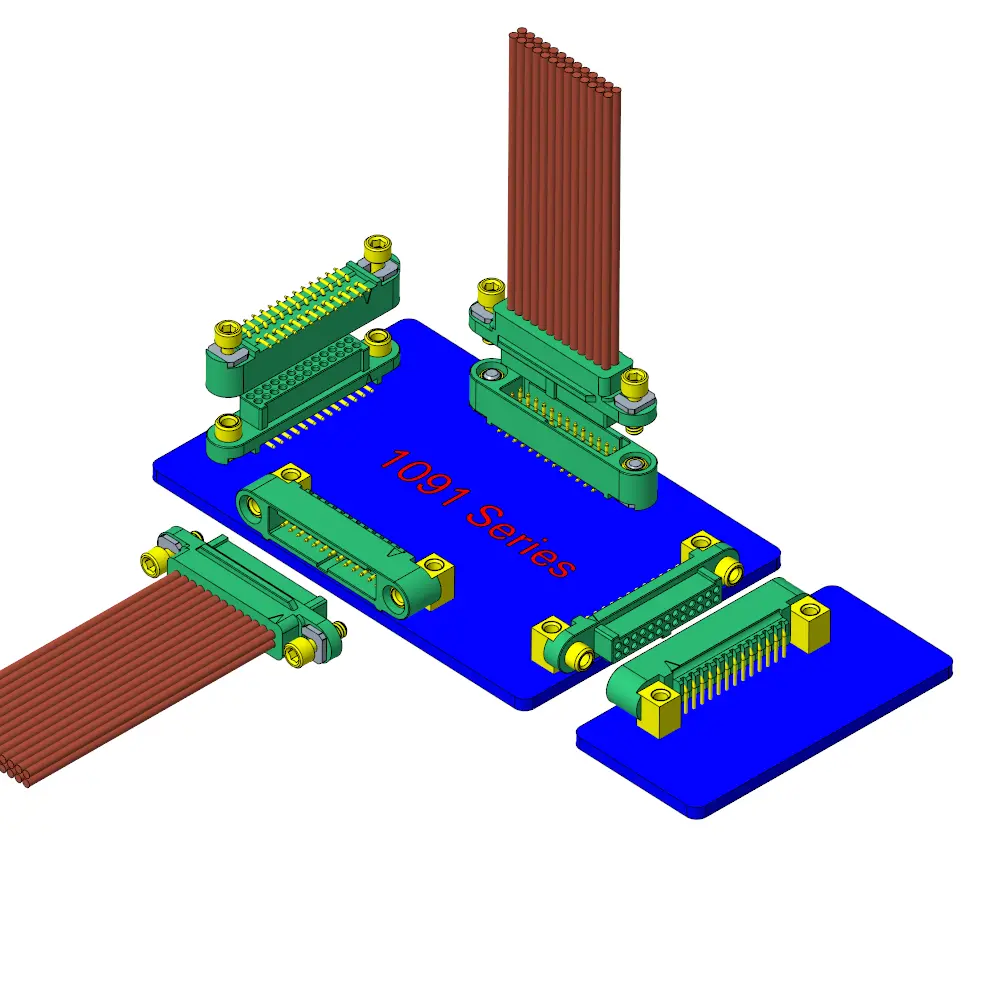
Board-Level Interconnects
For display control cards, PCB-to-PCB connections, module interfaces, and compact board assemblies.
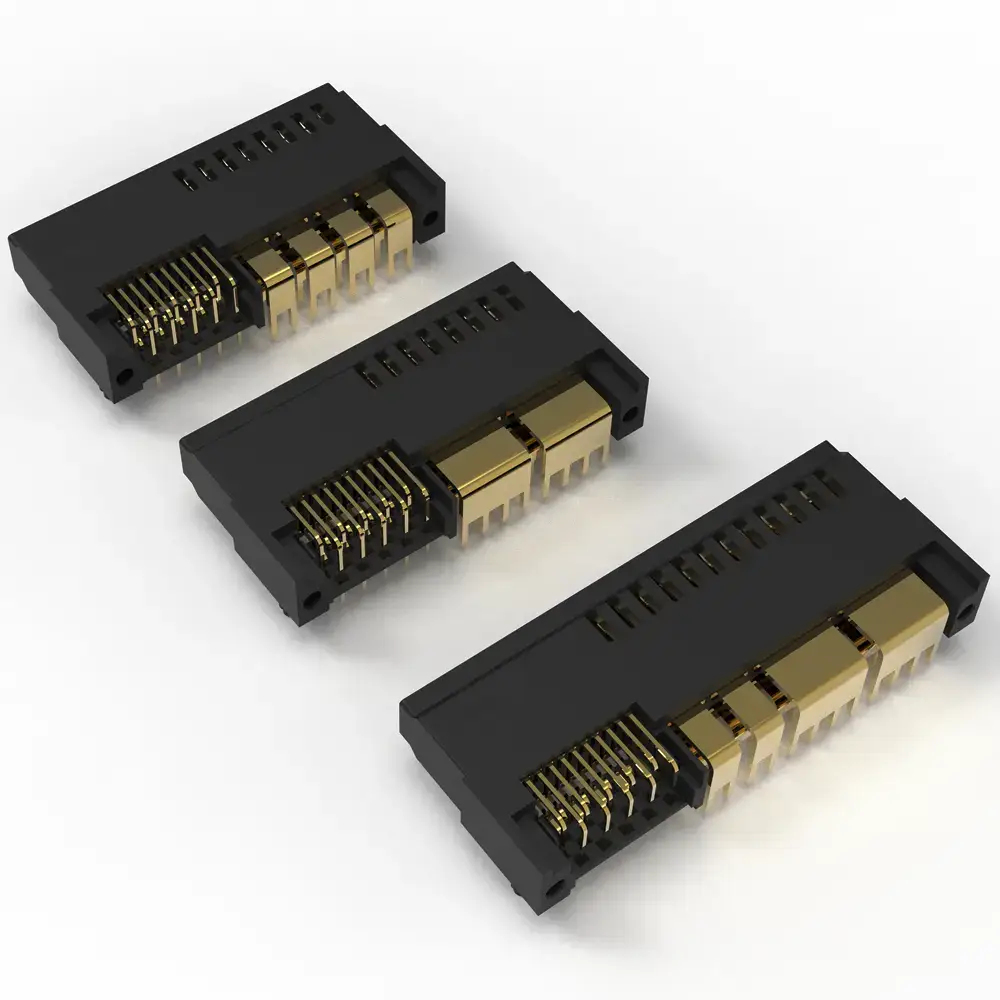
Power and Signal Interfaces
For edge-card style interfaces, power and signal paths, and mixed connector requirements.
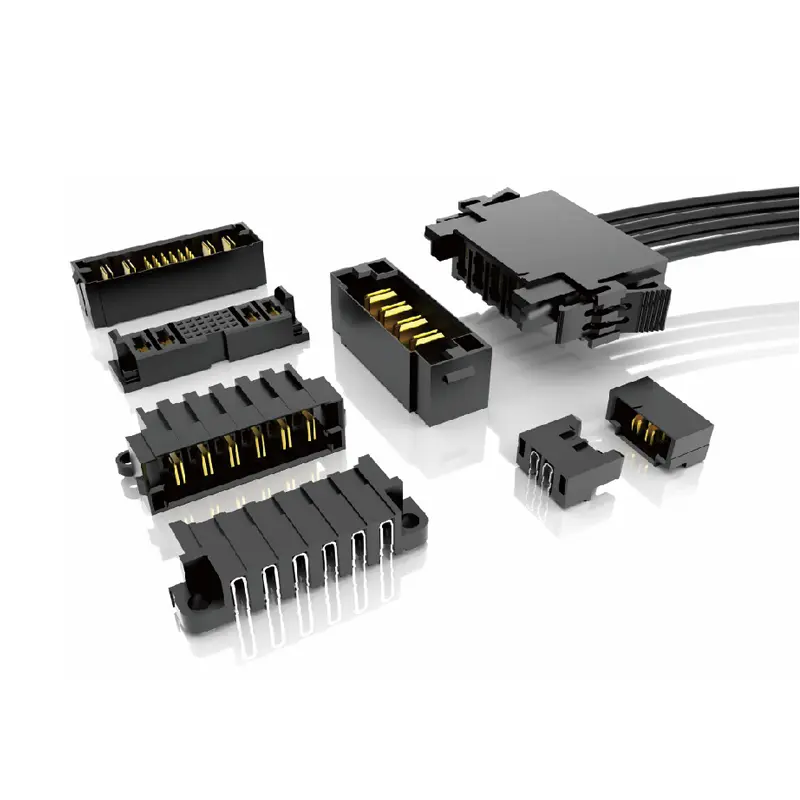
Power Connector Options
For internal power paths, supporting electronics, and project-level power connector review.
Connector Needs
Common Display Connector Requirements
LED display projects may require several connector types in the same equipment. The right option depends on board layout, mating direction, available space, wiring method, service access, and project validation requirements.
Board-Level Interconnects
Used between PCBs inside display modules, control cards, or supporting electronics.
Floating Connections
Useful when board alignment, assembly tolerance, or mating position needs engineering review.
Card Edge Interfaces
Relevant for edge-card style interfaces, power and signal card connections, and control board assemblies.
Power and Signal Paths
Power connectors, signal connectors, and mixed project requirements can be reviewed from drawing or BOM information.
Wire-to-Board Connections
Used for internal wire connections between boards, modules, panels, and supporting control electronics.
Cable Assemblies
Internal cable assemblies can help connect modules, boards, power areas, and serviceable sections.
Related Product Categories
Connector Categories for LED Display Applications
Use the product category pages below to explore connector families that may be relevant to LED display cabinets, display control cards, and lighting electronics.
Engineering Support
Custom LED Display Connector Review
If a standard connector category does not fully match your LED display project, LinkManu can review the requirement from engineering documents and project information.
What to Send for Review
To help the engineering team understand the requirement, include available drawings, BOM details, photos, samples, part numbers, mating connector information, board space limits, and expected application environment.
Application Review Workflow
From LED Display Requirement to RFQ
A clear review process helps buyers, engineers, and sourcing teams move from application needs to practical connector options.
Submit Requirement
Send drawings, BOM, sample photos, existing part numbers, or application notes for LED display equipment.
Engineering Review
The connector need is reviewed against mating direction, board space, wiring path, and application requirements.
Product or Custom Option
Related connector categories or custom interconnect options are discussed based on the project information.
RFQ Discussion
The team moves into quotation discussion after the application and connector requirement are clarified.
Related Pages
Continue Your Connector Review
Explore related product, engineering, and RFQ pages for your LED display connectivity project.
FAQ
LED Display Connector Review FAQ
What connector types are commonly reviewed for LED display equipment?
Common categories include board-to-board connectors, floating board-to-board connectors, card edge connectors, power connectors, wire-to-board connectors, cable assemblies, I/O connectors, and selected high-speed connector options.
Can LinkManu review connectors for LED display control cards?
Yes. You can send drawings, BOM information, part numbers, samples, or mating connector details so the connector requirement can be reviewed for the application.
Can I request a custom connector option for a display project?
Yes. If standard categories do not fully match the application, LinkManu can review custom interconnect feasibility based on drawing, sample, BOM, or part number information.
What information should I include in an RFQ?
Include the application area, drawings, board layout information, mating connector details, target connector category, sample photos, expected use environment, and any known project constraints.
Ready for Engineering Review?
Submit Your LED Display Connector Requirement
Send your drawing, BOM, sample, or part number. LinkManu will review the application and help discuss suitable connector categories or custom interconnect options for your project.