
Power Connector Engineering Guide
What Is a DC Connector? Buyer Review Checklist for Power Projects
A DC connector is a separable electrical interface used to carry direct-current power between a source and a load or between parts of a system. For an engineering buyer, the useful question is not only what the connector is called, but whether the proposed interface matches the electrical, mechanical, environmental, and documentation requirements of the project.
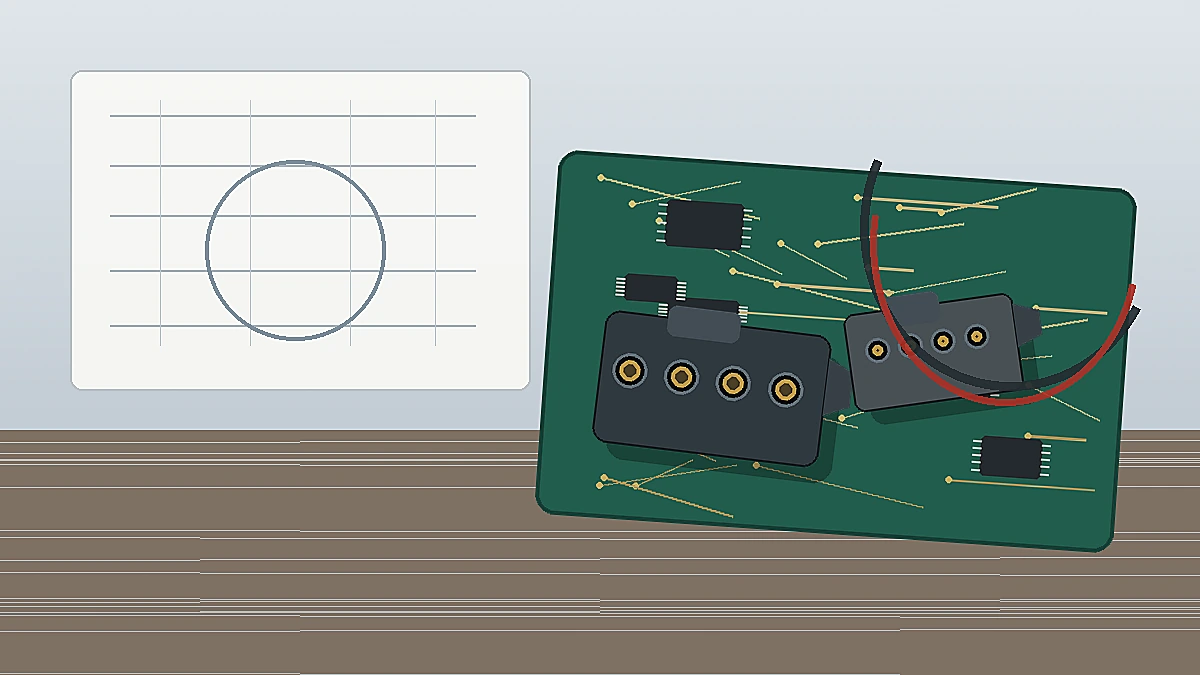
Quick answer: treat a DC connector as part of the power path. Confirm the mating geometry, polarity or pin assignment, current and voltage requirements, temperature range, retention needs, operating environment, lifecycle, and required test documentation before approving a part for production.
Start With the Interface, Not the Catalog Name
“DC connector” describes a function, not one universal mechanical format. A project may use a PCB-mounted power interface, a wire-to-board connection, a board-to-board power connection, or a battery connector format. The first sourcing decision is therefore to define where the interface sits in the power architecture and what it must mate with.
Do not approve a connector from a photo, a generic family name, or a single dimension. A visually similar plug or receptacle can still differ in critical mating geometry, polarity, keying, PCB footprint, cable termination, or retention. Procurement should request a dimensioned drawing and compare it with the actual mating partner, board footprint, or customer sample before treating two parts as interchangeable.
Engineering check: if the existing BOM contains only a supplier part number with no drawing, treat the mating interface as unresolved. Recover the drawing, datasheet, sample, or measurement record before approving an alternative.
Define the Electrical and Thermal Review Conditions
A connector cannot be selected safely from its physical fit alone. The RFQ should state the project’s target voltage, continuous current, peak-current condition if relevant, operating temperature range, and any safety requirements that apply to the end product. These values are project inputs to be confirmed; they should not be inferred from a connector that happens to look suitable.
Temperature rise deserves a separate review question. Current capability can depend on the contact system, number of loaded circuits, termination, surrounding airflow, board layout, cable construction, and ambient condition. Instead of assuming a catalog rating transfers directly into the finished product, ask what evidence supports the proposed connector under the intended load and environment.
For high-current DC interface projects, use the broader system-level guidance in Power Connectors for DC and High-Current Interface Projects to frame the connector review within the complete power path.
Electrical Questions to Put on the RFQ
- What current and voltage requirements must the connector meet in the target application?
- What operating temperature range should be used for review?
- How many circuits are loaded at the same time, and how is the connector terminated?
- Does the project require temperature-rise, hi-pot, impedance, salt-spray, or other environmental testing?
- Which acceptance evidence is required: supplier data, a sample evaluation, a project-specific test plan, or another documented review?
Check Mating Geometry and Mechanical Retention
Mechanical fit is a drawing problem before it is a purchasing problem. For a replacement or compatible-alternative review, compare the dimensions that control mating, board or panel mounting, orientation, keying, and termination. A part that enters the mating connector is not automatically production-compatible.
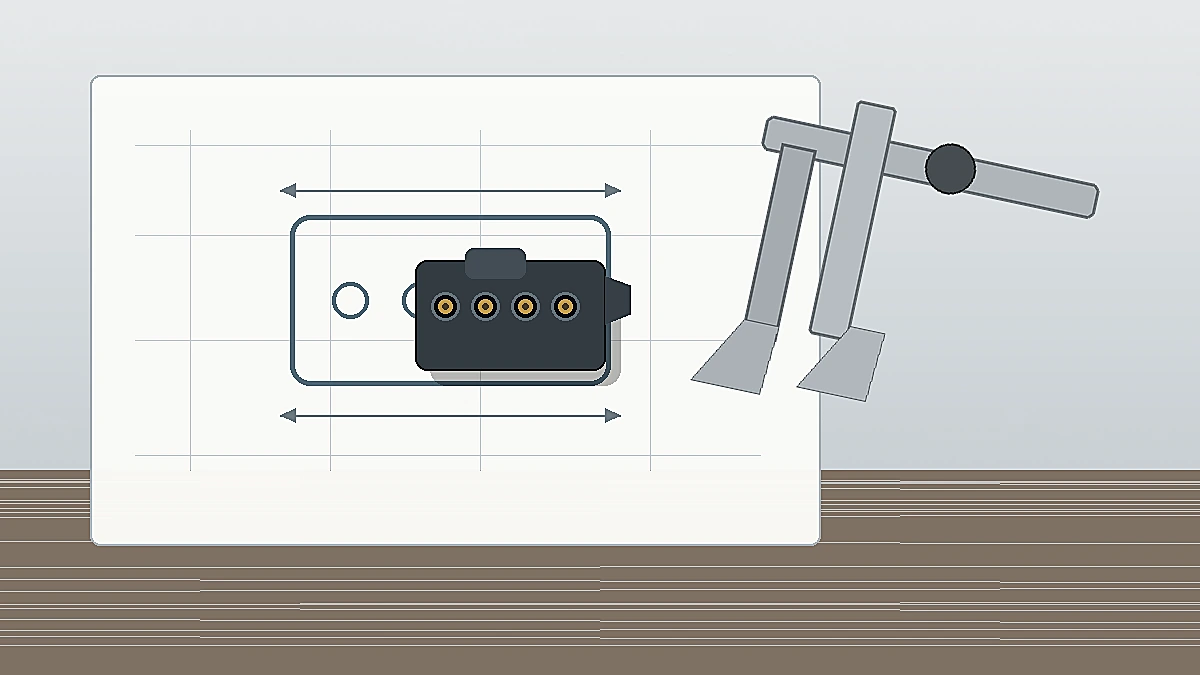
Retention also depends on the application. A connector used inside a protected enclosure may have different mechanical priorities from an interface that is frequently handled or exposed to vibration. Ask whether insertion and extraction force, latching, locking, strain relief, or mating-cycle expectations need to be defined. If the requirement is absent from the drawing or specification, record it as an open engineering question rather than assuming the standard part is acceptable.
Match the Connector to the Operating Environment
The environment determines which details need evidence. Moisture exposure, cleaning, conformal coating, potting, vibration, thermal cycling, or other process conditions can change the review. The correct action is not to assign an unsupported IP rating or material promise; it is to identify the condition and ask whether the proposed connector construction and documentation are suitable for it.
Material and plating requirements should follow the customer drawing, end-application requirement, or approved supplier documentation. If the project needs a particular plastic material, terminal material, plating system, or flame rating, put that requirement in the RFQ. Do not infer it from color, appearance, or a related connector family.
Hypothetical review condition: a plug fits a receptacle during a bench check, but the drawing does not confirm key dimensions and the application includes repeated handling. The correct decision is “fit not yet verified,” followed by drawing comparison and sample review—not automatic approval for production.
Build a Procurement Package That Can Be Reviewed
A good connector RFQ removes ambiguity before samples are ordered. The package does not need to be long, but it should let engineering and sourcing teams compare the same requirements.
| Review Area | What to Provide | What to Confirm Before Approval |
|---|---|---|
| Application | Power source, load, interface location, and intended use | The connector family and termination suit the actual architecture |
| Electrical | Target voltage, current conditions, and temperature range | The proposed part has appropriate supporting evidence for the application |
| Mechanical | Mating drawing, board or panel interface, keying, and retention needs | Mating and mounting geometry match the controlled design |
| Environment | Moisture, vibration, cleaning, coating, potting, or other process conditions | Required material, construction, or validation questions are documented |
| Lifecycle | Expected handling or mating requirement | Durability evidence or a test plan is defined where needed |
| Documentation | Drawing, sample, datasheet, BOM context, and acceptance criteria | There is enough evidence to approve or reject the proposed connector |
What LinkManu Can Review From an RFQ
Current company materials support project review across power connector formats including PCB, board-to-board, wire-to-board, and battery connector applications shown in those materials. The same source set lists tooling, injection molding, stamping, and assembly capabilities. Which of those processes applies depends on the connector design and RFQ scope; they should not be assumed for every project.
Engineering support should start with the evidence you already control: the drawing, mating sample, BOM, application requirements, and any required test documentation. If the project calls for insertion or extraction force, temperature rise, hi-pot, salt-spray, or other environmental testing, confirm the test requirement and how the evidence will be produced. Company materials indicate that connector quality and testing support may include external testing when required, so the test route should be agreed for the specific project rather than described as universally in-house.
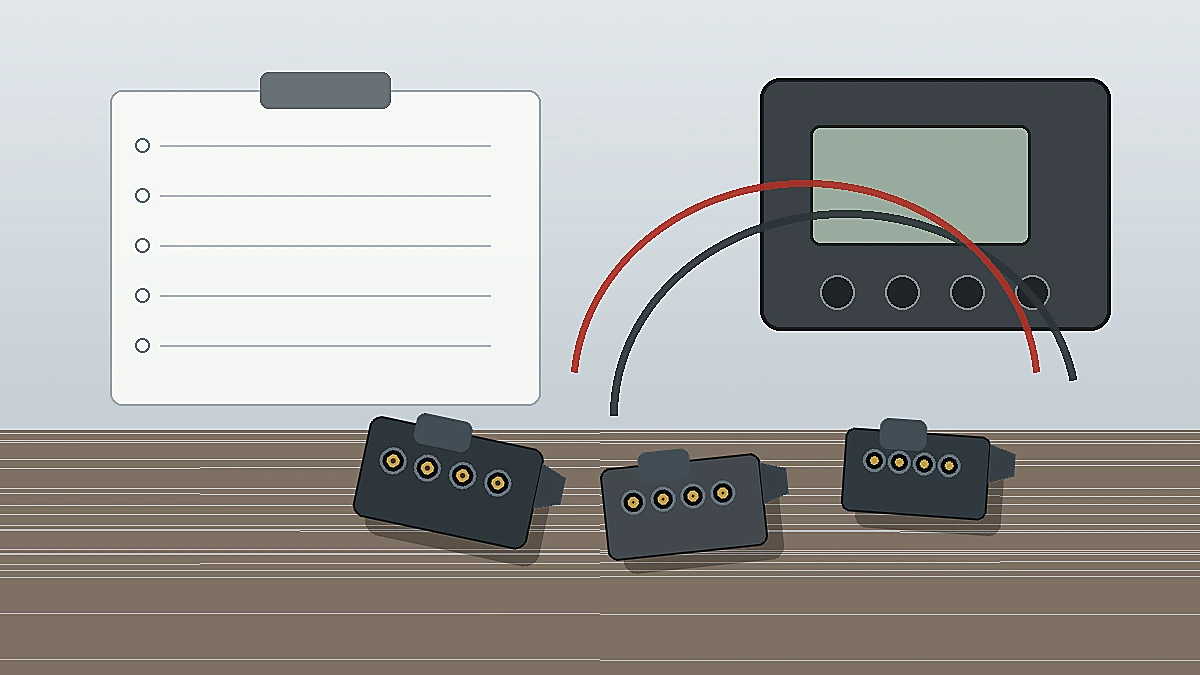
DC Connector Buyer Checklist Before Sampling
- Identify where the connector sits in the DC power path and what it must mate with.
- Attach the controlled drawing, mating-part drawing, or a representative sample when available.
- State the project voltage, current conditions, operating temperature range, and applicable safety requirements.
- Record polarity, pin assignment, keying, orientation, and mounting constraints.
- Define whether latching, locking, insertion/extraction force, strain relief, or lifecycle requirements matter.
- List environmental and manufacturing-process conditions that could affect the connector.
- Specify which tests or documents are needed for project approval.
- Clarify whether the request is for a same-interface alternative, a modified design, or a new connector solution.
- Do not release the part for production until the open compatibility and validation questions are closed.
FAQ: DC Connector Selection
What is a DC connector?
A DC connector is a separable electrical interface used to carry direct-current power between a source and a load or between parts of a system. Selection should be based on the application requirements and mating interface, not the name alone.
Is there one standard DC connector size?
Do not assume one size label covers every DC connector family. Confirm the critical mating dimensions from the controlled drawing or a verified sample.
How should I identify an unknown DC connector?
Start with the mating partner, dimensions, polarity or pin assignment, mounting method, and termination. Compare those details with a supplier drawing before selecting a replacement.
What should I include in a DC connector RFQ?
Include the drawing or sample, application context, voltage and current requirements, temperature range, mechanical constraints, environmental conditions, lifecycle needs, and required test documentation.
Can a visually similar DC connector be treated as compatible?
No. Visual similarity is not enough. Confirm mating geometry, electrical requirements, mounting, termination, and any required validation before approval.
Send Your Connector Requirement
Share the drawing, BOM, mating sample, application conditions, and required documentation. LinkManu can review the connector fit, project questions, sample options, and RFQ readiness within the evidence available for the specific project.