
Connector Engineering Resources
How to Choose Connector Design Services for Custom Projects
If you need to know how to choose connector design services, start with the part of the project that the catalog connector cannot satisfy. A useful design partner should not only quote a drawing. The supplier should help confirm whether the connector geometry, material choices, test plan, and production process fit the real application.
For B2B projects, the decision usually comes down to risk. A connector that looks acceptable in a datasheet can still fail the project if the mating height conflicts with the enclosure, the pinout creates routing problems, or the supplier cannot provide inspection and validation records. The safest RFQ is built around what must be proven, not around a generic request for a custom part.

First, define why the catalog connector is not enough
Many teams ask for a custom connector too late. The board has already been routed, the enclosure has been modeled, and procurement is trying to find a part that matches every constraint. At that point, the connector becomes a redesign trigger. Before comparing suppliers, write down the exact reason a standard part is creating risk.
- Layout conflict: the footprint, row position, mating direction, or keep-out zone does not fit the PCB.
- Height conflict: the stack-up, enclosure clearance, or board-to-board spacing leaves too little margin for a standard option.
- Environment conflict: vibration, moisture, chemical exposure, or temperature cycling requires confirmation beyond a general catalog note.
- Signal or power conflict: the required current path, grounding pattern, impedance target, or wire size needs engineering review before release.
- Documentation conflict: the project requires drawings, material records, inspection reports, or PPAP-style documentation that a simple distributor order cannot provide.
Engineering check: do not describe a custom connector as a pin-compatible substitute unless the drawing, samples, mating parts, and test records prove it. For most RFQs, it is safer to define the required function and let the design review confirm the final interface.
Build the RFQ around real application constraints
A useful RFQ gives the design service enough information to reject unsafe assumptions early. Pin count and pitch are not enough. The connector must be reviewed as part of the electrical path, mechanical stack, assembly process, and service environment.
Electrical information to confirm before design work
- Rated voltage, current per contact, surge condition, and temperature rise limits from the system requirement or drawing.
- Signal type, grounding requirement, shielding need, and impedance target when the connector carries sensitive or high-speed signals.
- Wire gauge or PCB trace interface, including insulation, crimp terminal, plating, and termination method.
- Contact resistance, insulation resistance, dielectric withstand, and any customer-specific acceptance criteria.
- Required pinout, keying, polarization, locking feature, and allowed mis-mating risk.
If a catalog family already meets the electrical and mechanical requirement, a custom project may not be justified. If the wire size, terminal geometry, or PCB footprint needs a change, the design service should confirm whether the change affects contact force, heat rise, creepage, clearance, or assembly tooling.
Mechanical and environmental information that changes the design
| Constraint to define | Why it affects connector design | Buyer check before supplier selection |
|---|---|---|
| Mating height and orientation | Controls housing profile, contact length, guide features, and interference risk. | Send PCB stack-up, enclosure model, and mating direction before asking for tooling cost. |
| Board or cable movement | May require retention, locking, strain relief, or tolerance absorption. | Confirm vibration, cable pull, assembly tolerance, and service access conditions. |
| Moisture, dust, or chemical exposure | Changes housing material, seal concept, plating, and validation scope. | Do not accept a generic environmental claim; ask which test is proposed for your exposure. |
| Assembly process | SMT, through-hole, crimp, overmold, or manual assembly each creates different process risk. | Ask whether pilot samples will be built with the intended production process. |
Match the service scope to the project risk
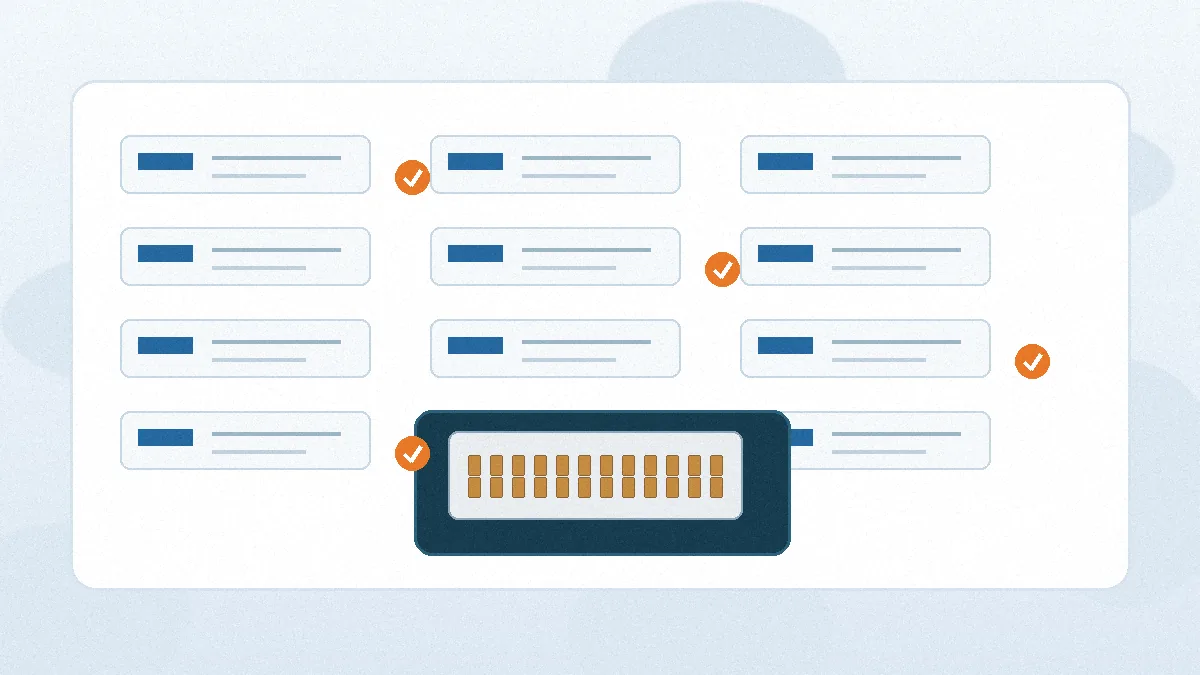
Not every project needs a fully new connector. Some projects only need a modified housing, a changed terminal, an adjusted board interface, or a revised assembly. A good design service should explain which path is realistic after reviewing drawings and samples.
For projects that need a broader interconnect review, compare the design-service proposal with LinkManu’s Custom Connectors & Interconnect Solutions scope. The practical question is not whether a supplier says “custom.” The question is whether the service can connect the application requirement to a manufacturable drawing, a controlled production process, and the right validation plan.
Use engineering review before committing to tooling
Tooling is expensive to correct after release. Ask the supplier to review the connector outline, contact system, material selection, and manufacturability before quoting production tooling. If board-to-board misalignment is a known tolerance issue, floating board-to-board options can be reviewed, but they still require confirmation by mating height, drawing, sample fit, and application load.
For power and signal projects, the design review should also separate thermal risk from signal risk. A power contact may need current and temperature-rise evidence, while a signal contact may need grounding and impedance discussion. Related selection logic is covered in LinkManu’s Power and Signal Connector Selection Guide for PCB Design.
Evaluate supplier capability with evidence, not brochure language
A connector design service is only as useful as the manufacturing and quality system behind it. If the supplier must outsource every key step, the buyer should expect more coordination risk. If the supplier controls tooling, injection molding, stamping, assembly, and inspection, it is easier to trace problems from drawing to finished part.
Manufacturing capability questions
- Can the supplier support connector-specific tooling and mold development for the proposed geometry?
- Does the molding process fit the insulator material, tolerance, and production volume?
- Are terminals or shields stamped under a controlled process, with inspection of critical dimensions?
- Is assembly handled under documented work instructions and inspection before shipment?
- Which process steps are in-house, and which are handled by qualified outside partners?
LinkManu’s engineering and quality information can be reviewed at View Engineering & Quality. For a live RFQ, buyers should still request current process flow, inspection examples, and any project-specific quality documents before placing a production order.
Simulation and engineering support
Uploaded project facts support design engineering references such as Pro-E modeling, Moldflow analysis, ABAQUS terminal stress analysis, and SI simulation. These tools should be selected by project risk. A simple low-risk housing change may not need the same work as a fine-pitch board-to-board connector carrying sensitive signals.
Ask the supplier which analysis is being proposed and what decision it will support. Moldflow may be useful for molding risk. Terminal stress analysis may help review contact force or fatigue risk. SI simulation may be appropriate when the connector participates in a controlled signal path. If the supplier cannot explain why a test or simulation is needed, treat the line item as unproven value.
Quality system and certification checks
IATF 16949 and ISO 14001 can be relevant certification references for automotive and industrial supply-chain review. Do not stop at the certificate name. Ask for current certificate copies, scope, expiry date, and whether the certified process covers the connector work being quoted.
For a higher-risk program, request a sample dimensional report, inspection plan, or test report from a similar connector project. The supplier does not need to reveal another customer’s confidential design, but it should be able to show how quality evidence is normally prepared.
Require documentation and testing before production release
A prototype proves that a part can be made once. Documentation proves whether it can be repeated. For connector design services, the buyer should define the required evidence before pilot production, because missing documents are difficult to rebuild after parts have shipped.
Documentation package to request
- Approved connector drawing, footprint, mating interface, and critical-to-function dimensions.
- Material records for housing, terminals, plating, seals, and other application-critical items.
- Inspection report for first articles and agreed pilot-run samples.
- Process flow, control plan, and corrective-action route for key production risks.
- PPAP-style documentation when the customer, industry, or internal quality gate requires it.
Testing evidence should match the failure mode
| Risk being checked | Possible evidence to request | Procurement warning |
|---|---|---|
| Electrical margin | Contact resistance, temperature rise, insulation resistance, or dielectric withstand data as required. | Do not reuse a generic rating if the pin count, wire size, or enclosure airflow changed. |
| Mechanical reliability | Mating force, retention, vibration, shock, or cable pull evidence when applicable. | Ask whether the test condition matches the real installation direction and load path. |
| Environmental exposure | Humidity, salt spray, sealing, or material compatibility tests when the application needs them. | Confirm the exact exposure profile before accepting a broad environmental statement. |
| Signal path risk | Impedance, crosstalk, insertion loss, or eye-diagram evidence when the design requires it. | Signal claims should be tied to the actual layout and mating condition, not a similar family. |
Some testing may be done in-house and some may be arranged through outside laboratories. The important point is traceability: the report should identify the sample, drawing revision, test condition, and acceptance criterion.
Use a decision matrix before choosing a partner
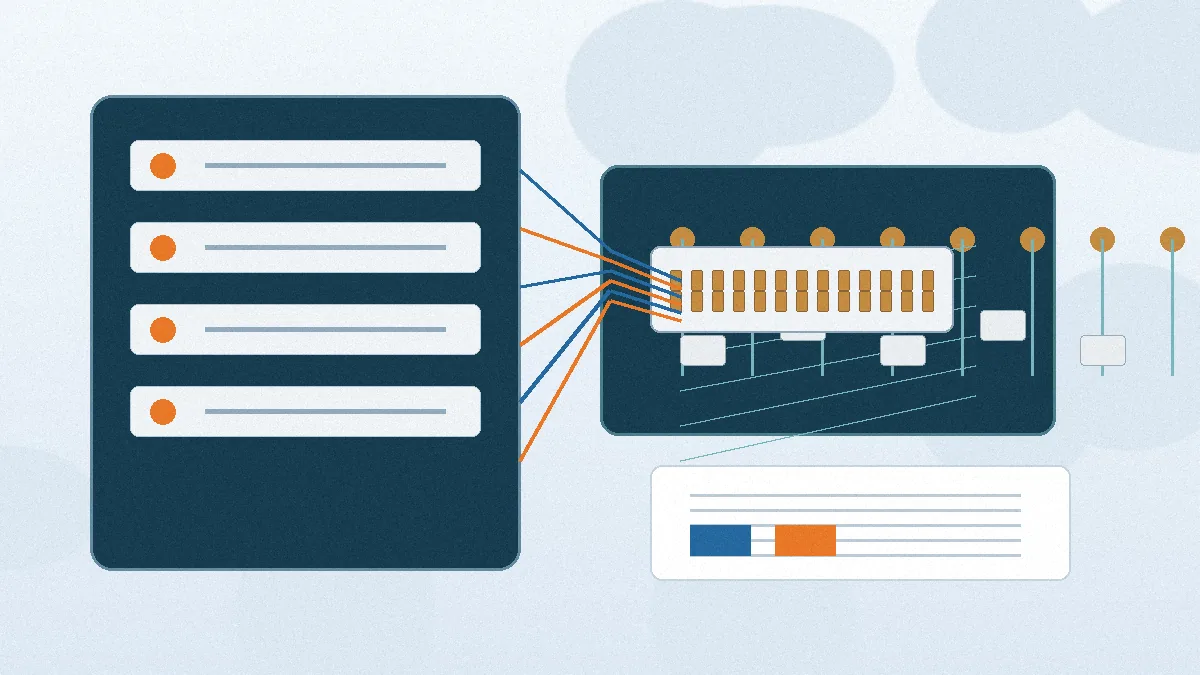
The lowest quote may still be the wrong choice if the supplier cannot answer engineering questions. Use a simple matrix to keep sourcing discussions objective.
| Selection area | Question to ask | Acceptable evidence |
|---|---|---|
| Application fit | Which drawing constraint or failure mode is driving the custom design? | Marked drawing, sample review notes, and clear RFQ assumptions. |
| Engineering support | Which design reviews, simulations, or prototype checks are needed for this risk level? | Review plan that links each activity to a design decision. |
| Manufacturing control | Who controls tooling, molding, stamping, assembly, and inspection? | Process flow and supplier responsibility list. |
| Quality documentation | What will be delivered with first articles and pilot samples? | Inspection template, test plan, certificate scope, and revision control method. |
| Commercial readiness | Are MOQ, lead time, tooling ownership, sample schedule, and revision charges clear? | Quote with engineering assumptions, not only unit price. |
If the project is still broad, review the product families on All Products before narrowing the RFQ. If the question is specifically about the supplier evaluation process, LinkManu’s related guide on How to Choose the Right Custom Connector Design Firm for Your Project can help separate service capability from simple part sourcing.
Next step: prepare the evidence package
Before sending an RFQ, collect the drawing, PCB footprint, mating height, pinout, current rating, signal requirement, wire size, environment description, expected validation scope, and supplier documentation requirement. If any of these are unknown, mark them as open items instead of filling the gap with assumptions. A good connector design review will turn those open items into engineering questions before tooling or production commitments are made.
Frequently Asked Questions About Connector Design Services
How do you choose the right connector design service?
Start with drawing review, application environment, required tests, and supplier process control. A good partner asks technical questions before quoting tooling.
When should I choose custom design instead of a catalog connector?
Choose custom review when the catalog option fails on footprint, height, sealing, current path, signal requirement, documentation, or production availability.
How do I know what size wire connector I need?
Confirm current, insulation, wire gauge, terminal type, temperature rise, and crimp requirement from the drawing or system specification. Do not select by pin count alone.
What standards apply to custom connectors?
The applicable standards depend on the industry and use case. For supplier review, ask for relevant certificate scope, customer test plan, and sample reports.
What should I send before requesting a quote?
Send the drawing, mating part, PCB layout limits, application environment, electrical load, expected testing, annual volume, and documentation requirements.
Send Your Connector Requirement
Share your drawing, BOM, mating interface, application limits, or sample reference. LinkManu can review connector fit, sample options, documentation needs, and RFQ readiness before final selection.

Technical content reviewed by LinkManu Engineering Team
Prepared by LinkManu Editorial Team for B2B connector engineers, sourcing teams, and product development projects. Updated 2026.