
Cable Assembly Engineering
What Is a Cable Assembly? A Buyer’s Guide to Design and Validation
What is a cable assembly? It is one or more insulated conductors terminated with connectors and supplied as a single installable unit. The finished build may also include shielding, protective sleeving, branches, labels, seals, strain relief, or an overmold, but the drawing must state which features are required.
The name alone is not enough for purchasing. A cable assembly can be a simple point-to-point jumper or a routed harness with several interfaces. Buyers should confirm the connector pairing, cable specification, length, routing, environmental exposure, and test scope before approving a sample.
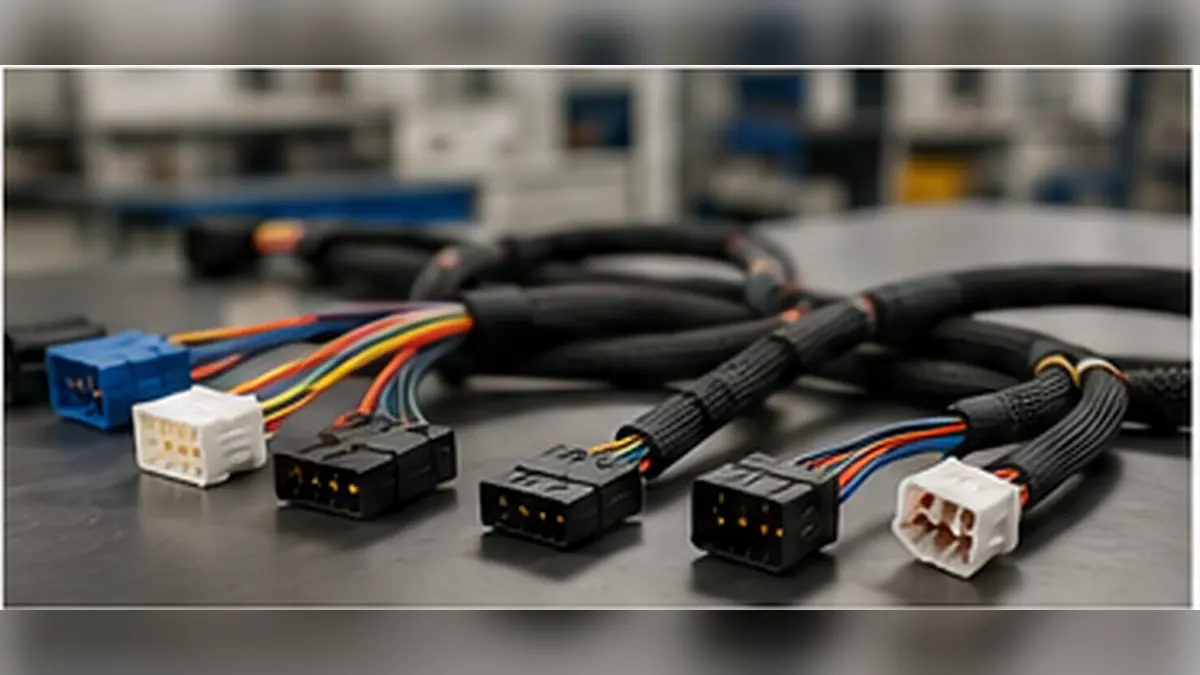
Buyer decision: use a catalog assembly when its interface, length, routing, and environment already match the application. Move to an engineer-to-order review when any of those conditions are uncertain or project-specific.
The Parts That Must Work as One System
A quotation may list cable, connectors, terminals, and protection as separate items, but their compatibility is evaluated together. A connector rating does not automatically apply to a finished assembly when the selected wire, termination, seal, or routing method changes the operating condition.
| Assembly Element | What It Controls | What the Buyer Should Confirm |
|---|---|---|
| Connector interface | Mating geometry, keying, locking, and installation access | Part number, mating counterpart, orientation, panel details, and clearance |
| Wire or cable | Power or signal path, flexibility, insulation, and routing | Specification, conductor size, length, bend conditions, and jacket requirements |
| Terminations | Electrical contact and mechanical retention | Terminal type, crimp or solder criteria, pull requirements, and inspection method |
| Shielding and protection | Exposure to abrasion, interference, moisture, heat, or chemicals | Shield termination, sleeving, seals, overmold, and application-specific protection |
| Labels and branches | Routing, identification, installation, and service | Branch dimensions, label content, orientation, and tolerance reference points |
Drawing check: define where length is measured. Connector face, rear housing, breakout point, and stripped wire end are not interchangeable reference points.
Where Cable Assembly Problems Usually Begin
Many failures start as drawing ambiguity rather than a defective component. A missing orientation view can reverse a branch. An undefined bend zone can place strain beside a termination. A connector that fits on the bench may still interfere with a panel, latch, or nearby enclosure feature during installation.
Procurement risk increases when a supplier must infer acceptance criteria. Before production release, specify which dimensions are critical, which samples represent the approved configuration, and which workmanship or customer standards apply. When a requirement is not yet known, mark it for confirmation instead of allowing the quotation to silently assume a value.
A Practical Review Before Sample Approval
The following review is most useful before tooling, overmolding, or volume material commitments. Each line should end with evidence: a drawing revision, datasheet, approved sample, inspection record, or agreed test plan.
| Review Area | Engineering Question | Release Condition |
|---|---|---|
| Electrical | Are conductor size, insulation, shielding, and circuit assignment defined? | Requirements match the drawing and connector documentation. |
| Mechanical fit | Are connector orientation, panel clearance, routing, and bend limits verified? | A sample or controlled model fits the actual installation. |
| Environment | Will the assembly face moisture, chemicals, UV, heat, vibration, or repeated flexing? | Protection requirements are stated without relying on a generic “industrial” label. |
| Termination process | Which crimp, solder, overmold, or assembly controls apply? | Inspection points and acceptance criteria are agreed before build. |
| Testing | Are continuity, dielectric, insertion or extraction force, temperature rise, impedance, salt spray, or other tests required? | Only applicable tests are listed, with responsibility and acceptance criteria defined. |
| Documentation | What first-article, material, traceability, and change-control records are needed? | The required report package is included in the quotation and schedule. |
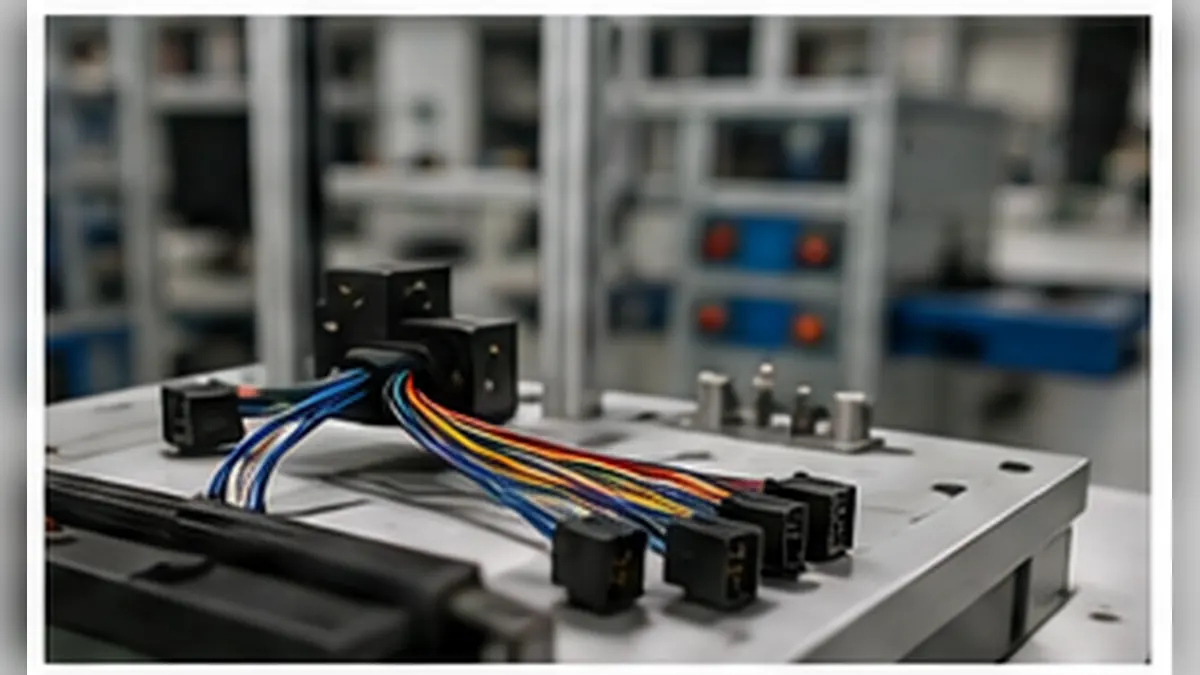
From Drawing Review to a Repeatable Build
- Freeze the interface first. Confirm mating connectors, orientation, keying, panel details, and cable exit direction before refining cosmetic features.
- Build the sample to a controlled revision. Record approved materials, dimensions, and any temporary prototype exceptions.
- Measure the critical features. Check lengths, branch points, retention, routing, and other dimensions identified by the application team.
- Run only the agreed tests. Define sample quantity, method, acceptance criteria, and whether testing is performed in-house or arranged externally.
- Close changes before production. Update the drawing and BOM so the approved sample is not the only record of the final configuration.
Company materials available for this article describe project-dependent support that may include design engineering, tooling, stamping, injection molding, assembly, inspection, and selected simulation work. Buyers should still ask which processes apply to their specific cable assembly and which activities are performed internally or by a qualified test partner.
For projects that need drawing-based review, the LinkManu cable assembly and wire harness capability page provides the relevant product-family context. The RFQ should include the connector selection, cable specification, length, shielding, routing, and test requirements available at the current design stage.
Before You Request a Quote
A usable RFQ does not need every detail to be final, but it must separate confirmed requirements from open questions. Send the latest drawing and BOM, identify the mating interface, state the operating environment, and flag dimensions or tests that require supplier input.
- Drawing revision and quantity forecast
- Connector part numbers or interface requirements
- Cable specification, conductor details, length, and routing
- Shielding, sleeving, seals, overmold, labels, and branch requirements
- Sample quantity, approval method, test scope, and documentation needs
- Any customer-controlled materials, approved sources, or change restrictions
The next step is specific: confirm the drawing reference points, mating interface, cable specification, routing, environment, test documentation, and supplier process scope. Those decisions turn “what is a cable assembly” from a definition into a buildable and inspectable requirement.
Frequently Asked Questions
What is the difference between a cable assembly and a wire harness?
A cable assembly often describes a point-to-point terminated cable. A wire harness commonly has several branches and circuits. The drawing should define the construction because industry usage overlaps.
Which standard should be used for a cable assembly?
Use the workmanship, product, safety, and customer standards required by the application. Record the revision and acceptance level in the purchase specification.
How should supplier quality capability be checked?
Request a sample quality plan, example first-article report, test responsibility matrix, and confirmation of which processes apply to the quoted project.
What documents should be ready before production?
At minimum: an approved drawing, BOM, connector and cable specifications, test plan, inspection criteria, and change-control requirements.
Send Your Cable Assembly Requirement
Share the drawing, BOM, target application, sample quantity, and open engineering questions for an RFQ-readiness review.

Technical content reviewed by LinkManu Engineering Team
Prepared by LinkManu Editorial Team for B2B connector engineers, sourcing teams, and product development projects. Updated 2026.