
High-Speed Connector Review
MMCX Cellular Connectors Specifications for RF Design Review
mmcx cellular connectors specifications should not be approved from catalog wording alone. For a cellular radio module, the risk is usually at the connector-to-board launch, cable termination, enclosure fit, and supplier evidence behind the claimed RF behavior. Treat each value in a datasheet as a question to verify against the drawing, PCB stack-up, operating environment, and sample plan.
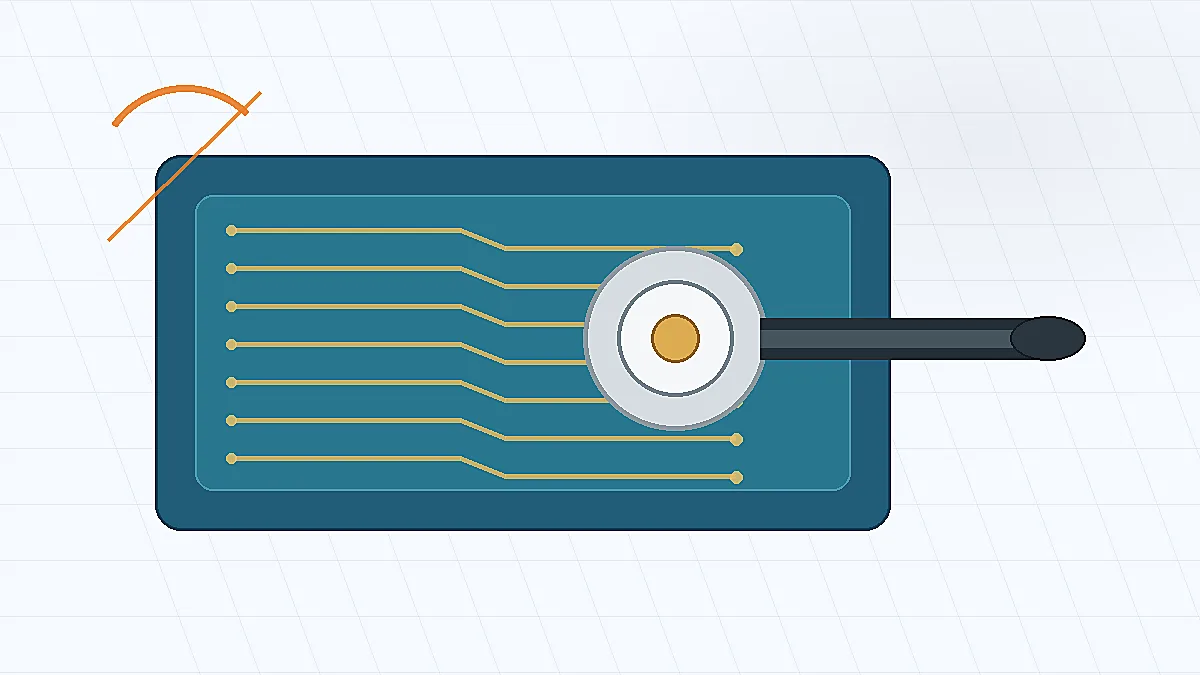
Engineering note: The uploaded source set did not support exact RF limits, current values, voltage values, temperature ranges, or pass/fail thresholds for this MMCX topic. Those items are therefore handled as project confirmation points, not as published specifications.
Start with the application boundary, not the part number
An MMCX interface used near a cellular radio path is not selected in isolation. The same connector family can behave differently when the cable bend radius, board launch, enclosure wall, or technician access changes. A safe review starts by defining where the connector sits: board-to-cable, module-to-panel, internal antenna path, test access, or replaceable subassembly.
The first procurement judgment is whether the supplier is being asked for a standard catalog part or for a reviewed assembly. If the request includes cable termination, strain relief, custom orientation, plating choice, or environmental exposure, the RFQ should include the mechanical drawing and a short validation plan. Without those inputs, the supplier can only quote a part number, not confirm application fit.
Separate confirmed specifications from assumptions
Many early BOM reviews mix confirmed requirements with assumptions copied from similar projects. That creates risk when the purchasing team asks several suppliers to quote “equivalent” parts. For MMCX cellular projects, the comparison should distinguish required limits, preferred features, and items still waiting for lab confirmation.
| Review item | What to confirm before sampling | Risk if skipped |
|---|---|---|
| Electrical target | Ask for the project-specific impedance target, return-loss expectation, insertion-loss budget, and test method from the customer design team. | A connector may pass a simple continuity or visual check while still disturbing the RF budget at the board transition. |
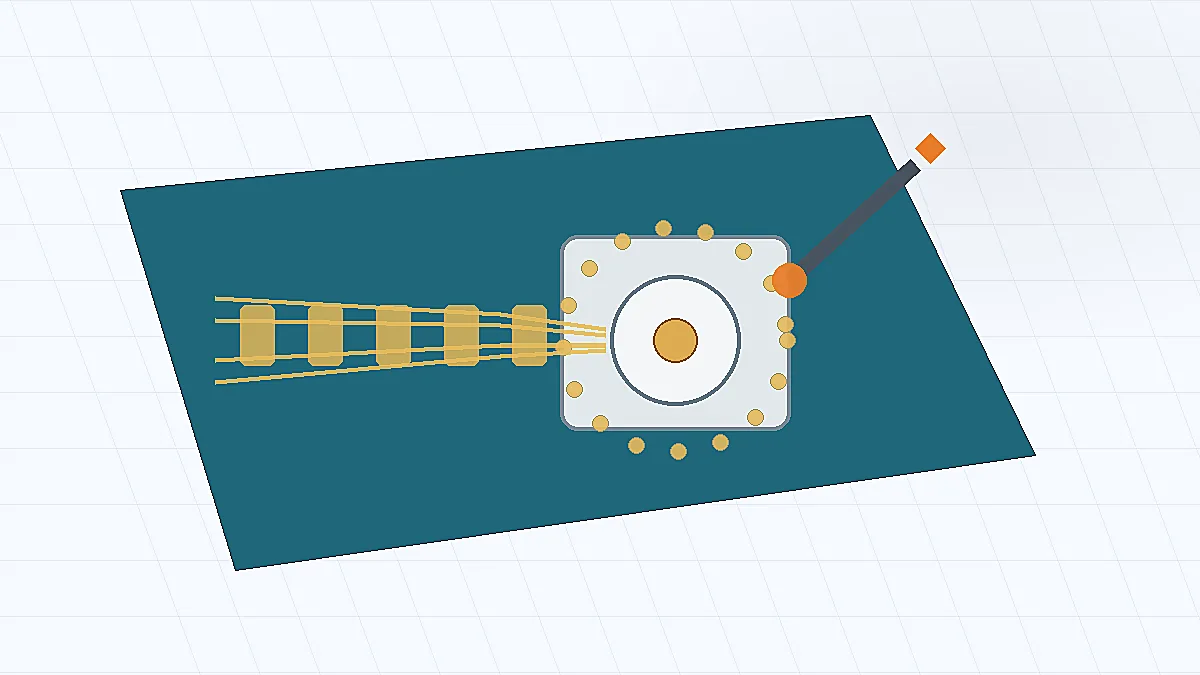
| PCB footprint | Confirm the manufacturer-recommended land pattern, ground reference, soldermask opening, and launch geometry against the actual PCB stack-up. | A generic library footprint can turn a suitable connector into a mismatch point. |
| Cable assembly | Define cable type, termination method, strain relief, bend path, and whether assembly-level RF data is required. | Good connector hardware can still fail the project if the cable termination is inconsistent. |
| Environment | State vibration, humidity, enclosure sealing, cleaning process, and service access conditions from the end application. | Field stress may loosen contact stability or expose corrosion risk not visible in a first sample. |
| Documentation | Request the outline drawing, material declaration, plating information, inspection plan, and available test reports. | Purchasing may approve a part without evidence that the production lot will match the evaluated sample. |
Review electrical behavior as a transition, not a single connector
The connector is only one part of the RF path. The launch pad, ground return, cable termination, and nearby metal enclosure all influence measured behavior. A practical review asks for evidence at the assembly or board level whenever the connector is close to the signal budget limit.
For engineering teams, the key question is not “does this connector have a high enough rating?” but “does the measured interface still meet the design budget after it is mounted, routed, and assembled?” Ask whether the supplier can provide measured data, sample preparation details, and inspection criteria. When data is unavailable, treat the connector as unverified until the customer or supplier completes the relevant test.
Check mechanical fit before RF sampling
Mechanical fit can decide whether an otherwise acceptable MMCX option survives production. Orientation, wrench access, cable exit direction, latch feel, panel clearance, and board edge spacing should be reviewed on the actual enclosure model or assembly drawing. A connector that is difficult to mate during service can create handling damage before the RF test even starts.
Buyers should also ask how the production process controls the parts that influence fit. LinkManu-related source materials list tooling, stamping, injection molding, and assembly capabilities, but the relevant process depends on the exact product and RFQ scope. The practical check is whether the quoted project includes the process controls, inspection steps, and sample evidence needed for the selected connector or cable assembly.
Ask for supplier evidence beyond the datasheet
A datasheet is a starting point, not the full approval package. For a new or changed MMCX cellular connector, request documents that connect the advertised specification to real production control. This may include the drawing revision, material and plating statement, sample inspection record, assembly work instruction, and available electrical or environmental test reports.
Certification references such as IATF 16949 and ISO 14001 can be part of a supplier quality review when current certificates are available, but they should not replace project evidence. A certificate does not confirm the connector footprint, cable termination, or RF launch on your board. It only supports the broader quality-system discussion.
Procurement check: Do not ask for a “drop-in” or “equivalent” MMCX option unless the mating interface, footprint, cable, performance budget, and test method are documented. Otherwise, request a reviewed alternative and mark compatibility as pending validation.
How this connects to high-speed connector projects
MMCX cellular connector work often appears beside other signal-link decisions inside the same equipment. Digital control boards, RF modules, power distribution, and service connectors may follow different review rules. For broader connector family planning, LinkManu’s High-Speed Connectors for PCIe, SAS and Board-to-Board Signal Links page gives context for non-RF high-speed interconnect discussions.
When the project includes more than one connector family, separate the RF questions from the digital interconnect questions. The RF path needs launch, cable, shielding, and measured interface evidence. Digital connectors may need lane assignment, mating height, board tolerance, or SI simulation review. Keeping those requirements separate prevents a supplier from quoting one general connector solution against two different engineering problems.
Before sampling, build an RFQ evidence package
The strongest RFQ package is short but specific. It should give the supplier enough information to say what can be confirmed immediately and what needs sample testing. Include the connector role, drawing, board layout region, cable details, environmental conditions, expected documentation, and the approval steps your team will use.
- Confirm the mating interface, orientation, board footprint, and available installation space.
- Provide the PCB stack-up or at least the controlled-impedance requirement used by the design team.
- State whether the supplier is quoting a connector only or a complete cable assembly.
- Ask which tests are standard, which can be arranged, and which must be handled by the customer or an external lab.
- Request sample traceability so later production lots can be compared against the evaluated parts.
Next steps before approving an MMCX option
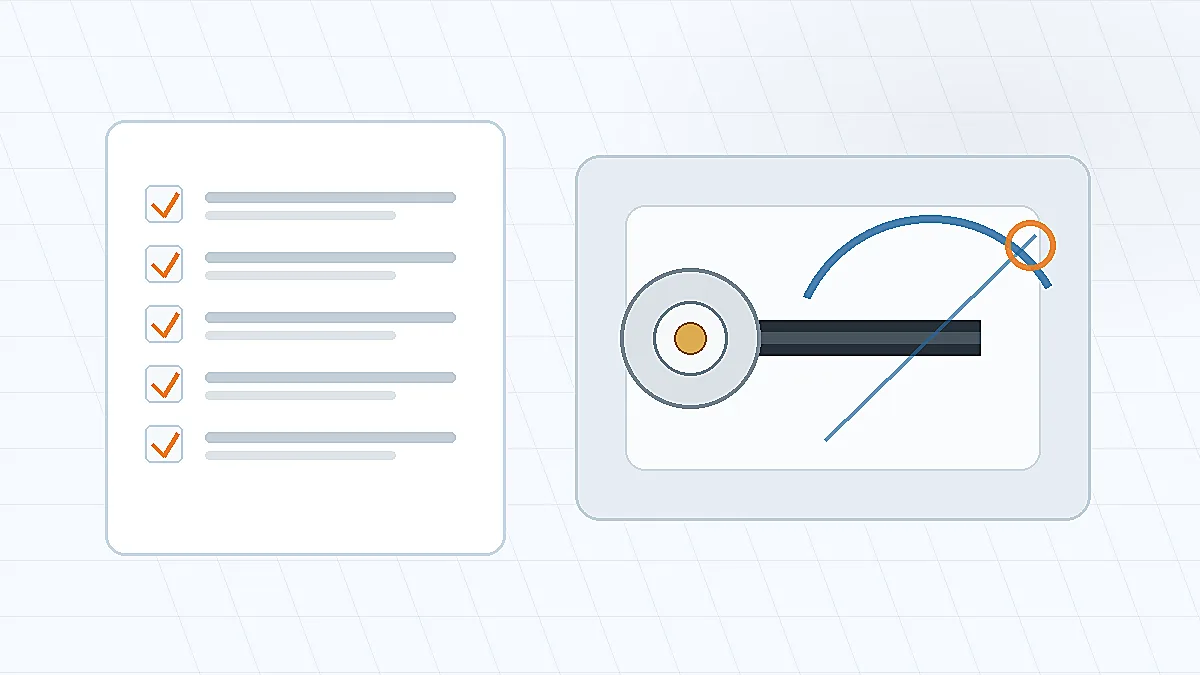
Before approving a part for sampling, confirm the drawing revision, mating interface, PCB footprint, cable termination, environment, supplier documentation, and test plan. If any item is missing, mark it as an open engineering question instead of turning it into a published requirement. That approach keeps the specification usable for sourcing without creating unsupported performance claims.
FAQ
What should MMCX cellular connector specifications include?
They should include the drawing, footprint, mating interface, cable or board role, material and plating details, target electrical behavior, environment, and required test evidence.
Can I approve an MMCX connector from a catalog page?
Only for low-risk evaluation. For production, confirm the mounted board launch, cable assembly, environment, and supplier documentation.
What is the biggest hidden risk in MMCX selection?
The connector-to-board transition. A suitable part can still underperform if the footprint, grounding, or cable termination is not controlled.
When should a supplier review be requested?
Request it before sampling when the design has custom cable routing, tight enclosure space, environmental exposure, or uncertain test requirements.
Send Your Connector Requirement
Share the drawing, board constraints, cable details, environment, and required documentation so the project can be reviewed against the actual application instead of a generic catalog line.

Technical content reviewed by LinkManu Engineering Team
Prepared by LinkManu Editorial Team for B2B connector engineers, sourcing teams, and product development projects. Updated 2026.