Wire Harness Engineering Guide
What Is a Wire Harness? Components, Design, and Selection
A wire harness is an organized assembly of wires, terminals, connector housings, protective covering, labels, and strain-relief features that routes power or signals through a machine, vehicle, control cabinet, or electronic product. Instead of installing many loose wires one by one, engineers use a harness to make the electrical system easier to assemble, inspect, service, and repeat in production.
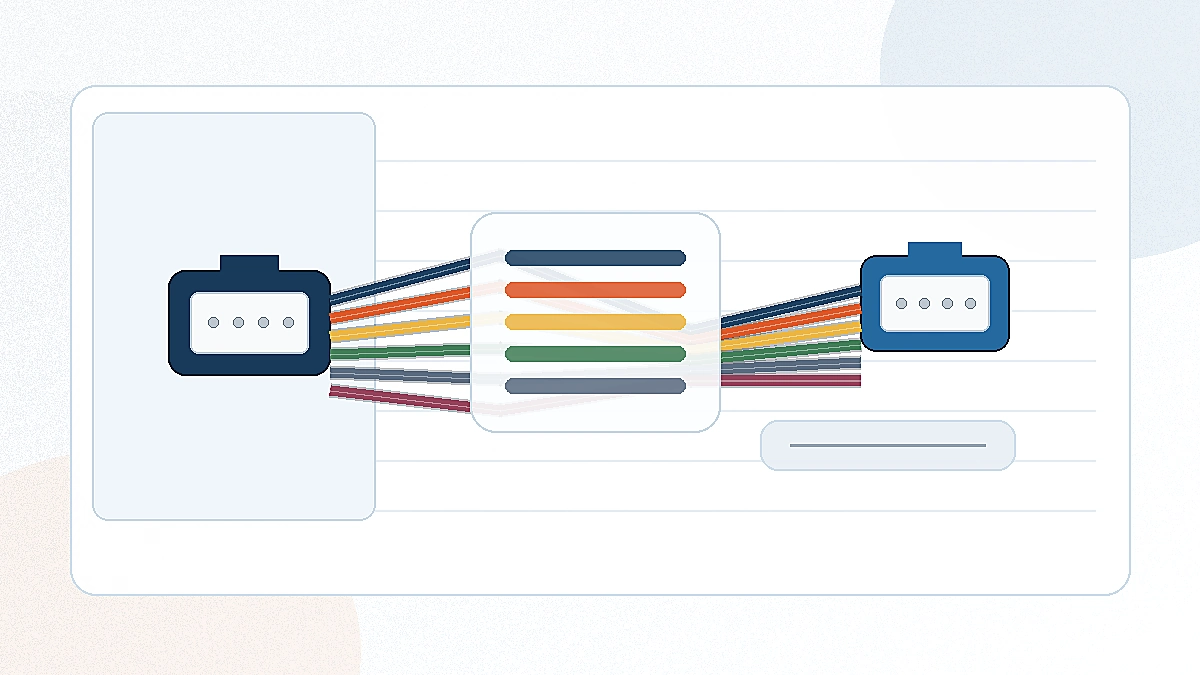
For B2B connector projects, the practical question is not only what is a wire harness. The more useful question is whether the harness design matches the circuit load, signal type, routing space, mating connector, environment, inspection process, and procurement schedule. A simple-looking harness can still fail if connector selection, crimp quality, sealing, or strain relief is not reviewed early enough.
Engineering note: Exact current, voltage, temperature, ingress protection, and certification requirements should be confirmed from the customer’s drawing, BOM, component datasheets, and project standards before production decisions are made.
What Does a Wiring Harness Do?
A wiring harness connects electrical points in a controlled physical layout. It can carry power, low-voltage signals, control lines, sensor feedback, communication circuits, or mixed functions depending on the product design. The harness also defines how wires branch, where connectors sit, how much service loop is available, and how technicians identify each circuit during assembly or maintenance.
In production, a harness can reduce variation because wire lengths, terminal choices, connector positions, labels, and protective covering are built to a documented configuration. In service, it can make troubleshooting easier because the electrical path is grouped and identified rather than scattered through the equipment as individual loose conductors.
Core Components of a Wire Harness
Most wire harnesses combine several mechanical and electrical elements. The exact bill of materials depends on the application, but engineers usually review these areas first:
- Wires and conductors: Selected according to circuit function, electrical requirement, flexibility, insulation type, routing space, and approved project documentation.
- Terminals and contacts: The metal interface between the conductor and the connector system. Terminal material, plating, crimp geometry, and tooling control are important to long-term connection reliability.
- Connector housings: Plastic or metal bodies that position terminals, maintain pin alignment, protect the interface, and often include latch or locking features.
- Protective covering: Sleeving, conduit, tape, heat-shrink tubing, or overmolded areas used to manage abrasion, routing, bend points, and exposure risk.
- Sealing and strain relief: Grommets, boots, clamps, backshells, and molded transitions that help control moisture paths and mechanical stress near the connector.
- Labels and identification: Printed markers, tags, or heat-shrink labels that support traceability, assembly checking, and field service.
Common Harness Configurations
When buyers ask what are wire harnesses in sourcing discussions, the answer often falls into three practical categories. A custom harness is built around a specific drawing, connector layout, branch length, and product requirement. A standard harness follows a repeatable existing configuration for a common function or interface. A specialized harness is designed for demanding environments, complex routing, higher inspection needs, or application-specific connector and material requirements.
These categories are useful because they affect quotation detail. A standard harness may need fewer engineering questions, while a custom or specialized harness usually requires drawings, operating conditions, connector preferences, sample expectations, and inspection requirements before the design can be reviewed responsibly.
Why Wire Harnesses Fail
A burnt wiring harness is a visible warning that the electrical system needs a careful review. The root cause may involve overload, incorrect component selection, poor crimping, insufficient strain relief, abrasion, moisture ingress, routing damage, contamination, or a connector that was not appropriate for the actual operating environment.
The cost of a harness issue is rarely limited to the harness itself. A failure can affect nearby electronics, sensors, control modules, production uptime, service visits, warranty review, and supplier approval. For this reason, responsible harness sourcing should treat electrical layout, connector matching, manufacturing process control, and inspection as connected decisions.
Do not diagnose by appearance alone. A burned connector or damaged branch should trigger review of the circuit protection, mating interface, wire routing, terminal retention, environmental exposure, and assembly records.
Electrical Wire Harness Design Factors
Electrical wire harness design starts with the function of each circuit. Power delivery, sensor feedback, discrete control, and communication signals may need different wire choices, shielding approaches, routing separation, and inspection steps. The design should also consider installation space, bend radius, service access, branch protection, and connector orientation.
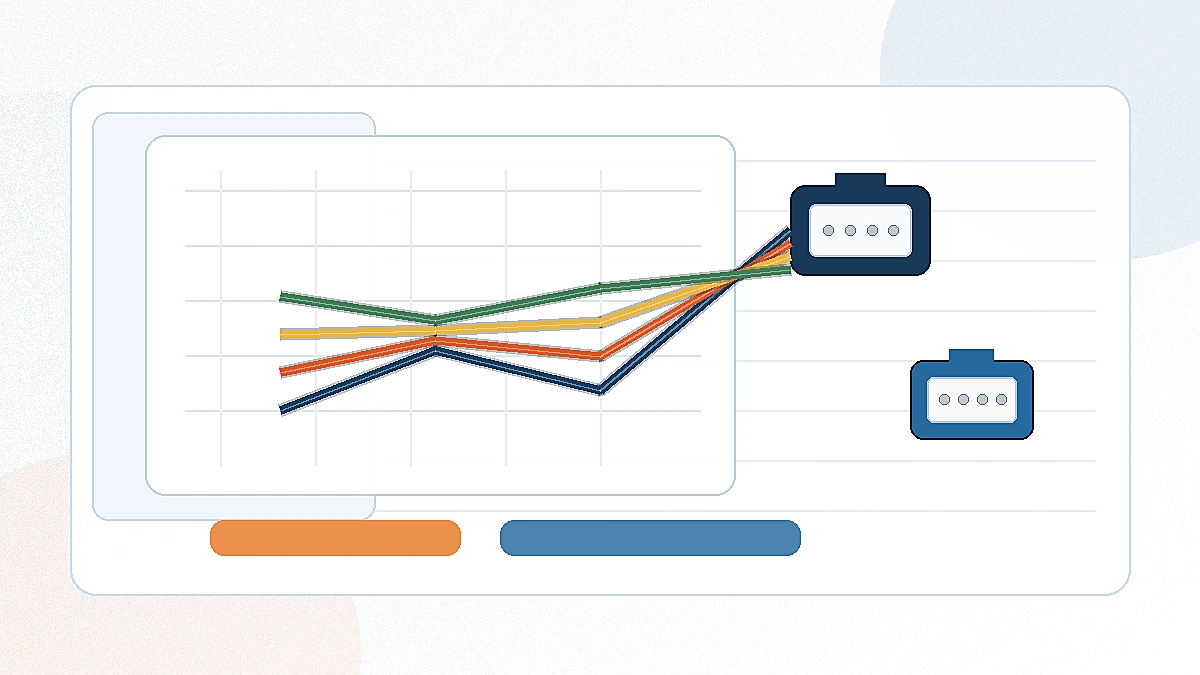
For many projects, the most important design questions include:
- Which circuits carry power, which carry signals, and which require separation or shielding review?
- Which connector family, terminal type, and mating interface are approved by the customer or product design?
- Where will the harness flex, clamp, pass through panels, or touch metal edges?
- What moisture, dust, oil, cleaning, vibration, heat, or outdoor exposure should be considered?
- How will branch lengths, labels, terminal pull checks, continuity checks, and final inspection be documented?
Connector Selection for Harness Projects
The connector is often the highest-risk interface in a harness. It must align the terminals, maintain contact force, fit the mating side, support assembly, and tolerate the expected mechanical and environmental conditions. A good connector decision starts from the actual project requirement, not from price or availability alone.
| Selection Area | What Engineers Should Confirm |
|---|---|
| Electrical requirement | Confirm circuit function, conductor choice, terminal suitability, voltage and current requirements, and any signal integrity concerns from approved project sources. |
| Mechanical fit | Review connector size, orientation, latch access, terminal retention, cable exit direction, clamp points, and service space. |
| Environment | Define exposure to moisture, dust, oils, cleaning processes, temperature change, vibration, and abrasion before selecting housing, seal, sleeve, or overmold options. |
| Manufacturing control | Confirm crimp tooling, terminal applicator setup, wire preparation, lot traceability, continuity testing, visual inspection, and packaging requirements. |
| Procurement risk | Check approved source, lead time, alternate components, sample availability, and documentation needed for incoming quality review. |
Connector substitutions should be handled carefully. Even when two connectors look similar, small differences in terminal geometry, plating, seal design, plastic material, latch behavior, or mating tolerance can change the reliability of the harness. If a substitute is being considered, the safest path is to review drawings, samples, and qualification needs before release.
Standards and Quality Documentation
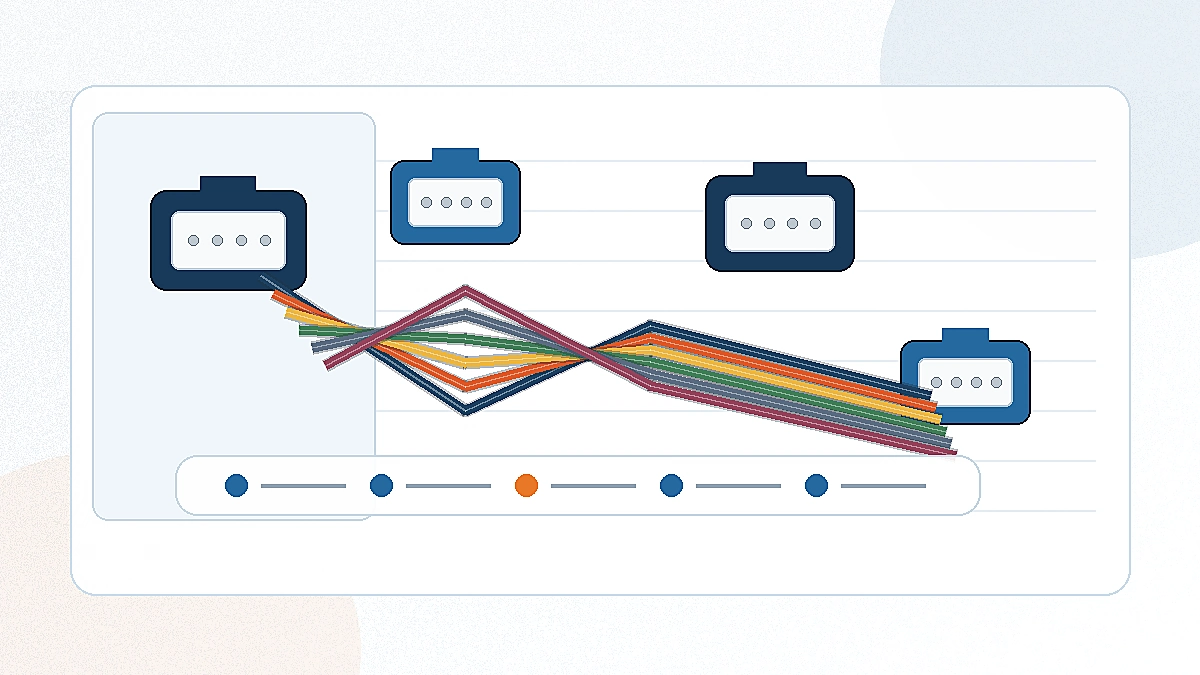
There is no single answer that fits every question about the standard for cable harnessing. The applicable requirement depends on the industry, customer specification, end product, region, and audit expectation. For a real project, buyers should ask which assembly acceptance criteria, inspection method, test record, material document, and quality management requirement apply to that harness.
Based on the approved LinkManu source files for this article, LinkManu capability references include assembly, injection molding, stamping, and tooling. Certification references include IATF 16949 and ISO 14001. These are useful supplier qualification signals, but the exact harness acceptance standard and test plan should still be confirmed for each customer project.
How This Connects to Custom Cable Assemblies
A wire harness is closely related to a cable assembly, but a harness often has more branch routing, labeling, mounting, and environmental protection decisions. For projects that need drawings, connector pairing, overmolded areas, or controlled assembly documentation, LinkManu’s Custom Cable Assemblies & Wire Harnesses Manufacturer page is the required product-family reference for this topic.
If the project also involves connector geometry, molded parts, or a non-standard interface, the Custom Connectors page can help frame the custom engineering discussion. For broader product context, buyers can also review the Products section before preparing drawings and BOM details.
RFQ Preparation Checklist
A clear RFQ package helps the manufacturing partner review feasibility, risk, and quotation scope without repeated clarification. Before sending a harness inquiry, prepare:
- 2D or 3D drawings showing branch lengths, connector positions, routing path, and mounting points.
- BOM or preferred component list, including connector housings, terminals, wire types, sleeves, labels, and special materials.
- Electrical requirements for each circuit, including power, signal, communication, shielding, and grounding expectations.
- Operating environment, including vibration, flexing, moisture, dust, oil, chemical exposure, and service conditions.
- Sample quantity, production volume, inspection records, packaging needs, and target schedule.
When the design is still open, an early Get Engineering Review discussion can help identify missing information before the quote is locked. This does not replace customer validation, but it can make the RFQ more complete and reduce preventable back-and-forth during sampling.
Frequently Asked Questions
What is a wire harness?
A wire harness is an organized assembly of wires, terminals, connector housings, protective covering, labels, and strain-relief features used to route electrical power or signals through a product in a repeatable way.
What does a wiring harness do?
It groups electrical circuits into a controlled layout so the product is easier to assemble, inspect, install, and service. It also helps manage routing, connector placement, branch protection, and circuit identification.
What are the three types of wiring harnesses?
In practical sourcing language, many projects can be grouped as custom harnesses, standard harnesses, or specialized harnesses. The right category depends on drawing requirements, application environment, connector needs, and production expectations.
How do I figure out what wiring harness I need?
Start with the drawing, circuit requirements, connector list, routing path, environment, service needs, and expected quantity. If those details are incomplete, request an engineering review before approving a production design.
What is the standard for cable harnessing?
The applicable standard depends on the product, market, customer specification, and audit requirement. For a real RFQ, confirm the required assembly acceptance criteria, inspection records, test plan, and supplier quality documentation.
Send Your Connector Requirement
Share your drawing, BOM, target application, or technical requirements. LinkManu can review connector fit, sample options, documentation needs, and RFQ readiness before final selection.

Technical content reviewed by LinkManu Engineering Team
Prepared by LinkManu Editorial Team for B2B connector engineers, sourcing teams, and product development projects. Updated 2026.